
Chancellor Rachel Reeves has announced significant increases to the minimum wage that will benefit millions of low-paid workers across the UK, describing the cost of living as remaining the "number one issue" for voters.
Substantial Pay Rises Across All Age Groups
The government has confirmed that minimum wage rates will increase by 4.1% next year as part of efforts to improve living standards. The national living wage for workers aged 21 and over will rise from £12.21 to £12.71 per hour starting next April.
This change will boost the annual earnings of approximately 2.4 million workers by £900, providing substantial relief during the ongoing cost of living crisis. The Treasury has accepted the Low Pay Commission's recommendations in full, despite previous concerns about the impact on youth employment.
Youth Workers See Largest Percentage Increases
Younger workers will receive even more significant percentage increases, with the minimum wage for 18- to 20-year-olds jumping by 8.5% to £10.85 per hour. This forms part of the government's commitment to narrow the pay gap between younger and older workers.
The minimum wage for 16- to 17-year-olds and apprentices will increase by 6% to £8 per hour, marking another substantial boost for those entering the workforce.
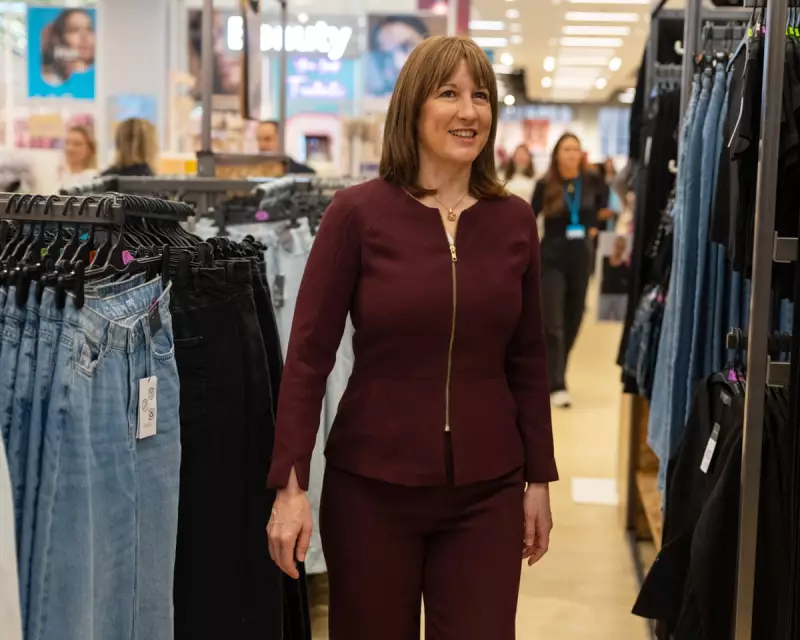
"I know that the cost of living is still the number one issue for working people and that the economy isn't working well enough for those on the lowest incomes," Reeves stated during a visit to a Primark in central London.
Balancing Worker Benefits with Employment Concerns
The government's decision comes amid concerns from some Treasury officials and external organisations about potential negative impacts on youth employment. The Resolution Foundation recently highlighted that the number of young people not in education, employment or training (Neet) has increased by 195,000 over two years to reach 940,000.
Youth unemployment currently stands at 14.5%, up from 13.7% a year ago, with some attributing the rise to the continued effects of the pandemic and cost of living pressures.
Business groups have expressed concerns about their ability to hire workers, citing the combined impact of last year's national insurance increase, rising minimum wages, and Labour's employment rights package.
Despite these challenges, the government maintains it has struck the right balance between supporting workers and ensuring business affordability. Paul Nowak, TUC General Secretary, welcomed the move, stating: "With living costs stubbornly high, an above-inflation pay rise will make a real difference to the lowest-paid."
The changes will benefit a total of 2.7 million workers across different age groups, representing one of the most significant wage interventions in recent years as the government seeks to deliver on its election promise to make work pay properly.




