
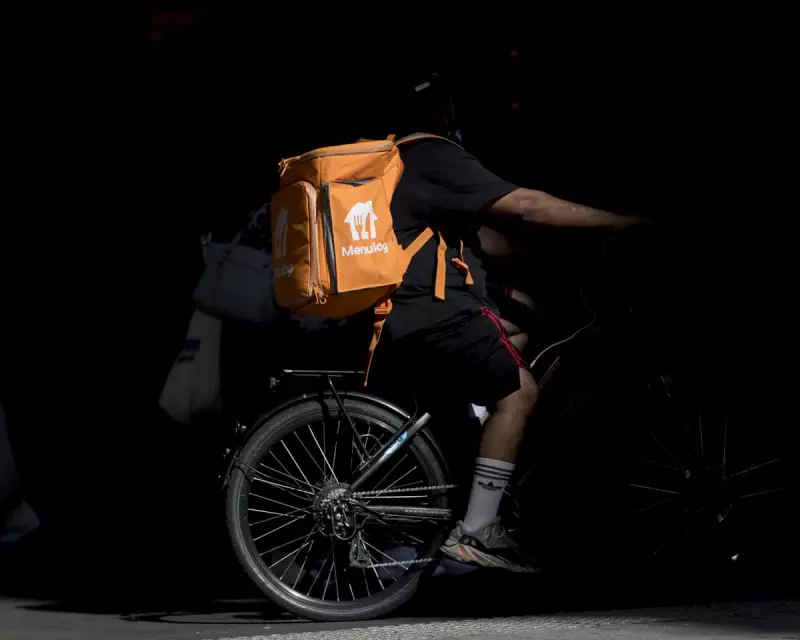
The Australian food delivery landscape is facing a significant shake-up as one of its long-standing players, Menulog, announces it is shutting down its local operations. The closure, set for 26 November, will impact the livelihoods of thousands of delivery riders and approximately 120 direct employees.
A Shock to the Gig Economy
Menulog's owner, the Dutch multinational Just Eat Takeaway.com, confirmed the decision in a statement, marking a sombre end to the Australian-founded service's 20-year history. The company cited "challenging circumstances" as the reason for its departure from the competitive market.
Michael Kaine, the National Secretary of the Transport Workers' Union (TWU), stated that the news would come as a profound shock to the workforce. "We will be working to ensure those workers receive pay for their work and fair exit payments over the coming weeks," Kaine affirmed.
A Sector in Turmoil Post-Pandemic
This closure is the latest in a series of setbacks for the delivery service sector, which experienced a boom during the pandemic but has since struggled to maintain profitability. The industry has proven to be intensely competitive, leading to frequent exits.
This pattern is not new for Just Eat Takeaway, which closed Menulog's New Zealand business last year. The Australian market has already seen the collapse of rival Deliveroo in 2022, alongside smaller operations like grocery delivery firm Voly.
The imminent departure of Menulog will consolidate the market, leaving Uber Eats and DoorDash as the dominant players, alongside niche services such as HungryPanda.
The Human Cost of Closure
The TWU has highlighted the ongoing struggles within the gig economy, pointing to systemic issues that leave workers vulnerable. Kaine emphasised that many are "languishing with below-minimum wage rates, no sick leave or superannuation, and deadly pressure to rush."
With Menulog's website stating it supported "tens of thousands of on-demand delivery couriers," the closure underscores the precarious nature of work in this rapidly changing industry. The focus now turns to the weeks leading up to the 26 November shutdown, as the union works to secure fair outcomes for those affected.




