
Labour Backlash Over Workers' Rights Reversal
Sir Keir Starmer is confronting significant internal rebellion after his government abandoned plans to provide workers with day-one protection against unfair dismissal. This dramatic policy reversal represents a clear breach of Labour's election manifesto and has sparked outrage among backbench MPs.
The controversial decision involves scrapping the proposal to eliminate the current 24-month qualifying period that employees must complete before they can file an unfair dismissal claim. Instead of granting this right from the first day of employment as originally promised, the government now plans to introduce protection after six months of service.
MPs Condemn 'Complete Betrayal'
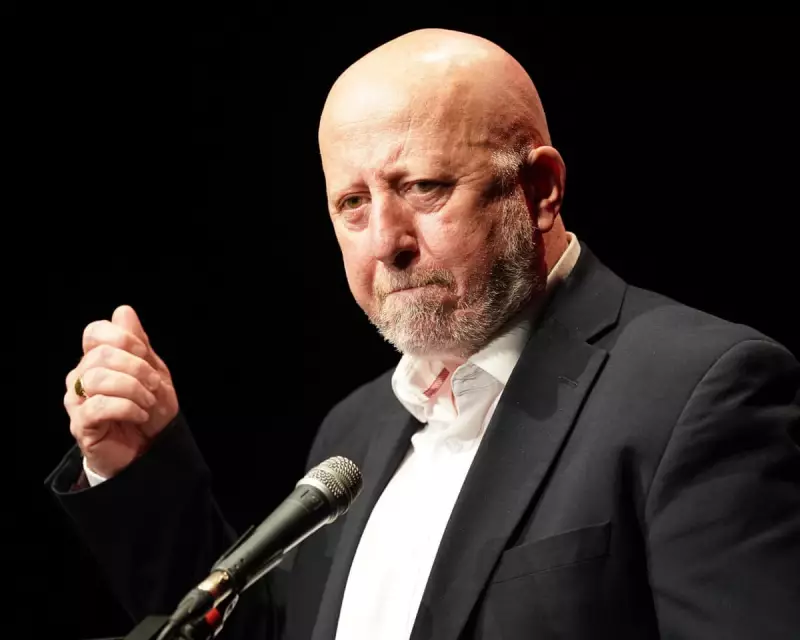
Andy McDonald, Labour MP for Middlesbrough and Thornaby East, didn't mince words when describing the government's move. "This is a complete betrayal," he declared, vowing to campaign vigorously for the decision to be reversed. "We cannot support that halfway measure," McDonald added, emphasising his commitment to fighting what he called a "wrong-headed move."
The discontent extends across the parliamentary party. Neil Duncan-Jordan, Labour MP for Poole, raised concerns about the lack of consultation, stating: "There has been no discussion with the PLP [parliamentary Labour party] about this. The Lords don't have primacy over a manifesto commitment, so why have we capitulated?"
Rachael Maskell, representing York Central, offered a worker-focused perspective: "Employers have nothing to fear from day-one rights, but workers have everything to fear from an employer who doesn't want day-one rights."
Manifesto Promise Broken
The policy reversal directly contradicts Labour's election manifesto, which explicitly promised to introduce "basic rights from day one to parental leave, sick pay and protection from unfair dismissal." The document also committed to "consult fully with businesses, workers, and civil society on how to put our plans into practice before legislation is passed."
Justin Madders, the former employment minister who was sacked in the prime minister's reshuffle earlier this year, confirmed the breach, stating unequivocally that it "definitely is a manifesto breach."
The employment rights bill had become entangled in a parliamentary standoff between the House of Lords and MPs regarding the original day-one protection plan, along with measures to prohibit "exploitative" zero-hours contracts.
Government Defends Compromise
Education Secretary Bridget Phillipson defended the government's position, arguing that there was a "very real prospect" the entire employment rights bill would have been delayed without the compromise on unfair dismissal protections.
"There has been discussion on the point around unfair dismissal and the time period between businesses, the TUC and government, and following that discussion there's been agreement about the way forward, which is welcome," Phillipson told Sky News.
She emphasised that the time limit would still be reduced from two years to six months, and that this change would run alongside other significant day-one rights concerning sick pay and parental leave. These additional rights are still scheduled to take effect in April 2026.
When questioned about whether this constituted a broken promise, Phillipson pointed to the manifesto's commitment to consultation: "In the manifesto, what we said was that we would work with trade unions, with business, with civil society, in consulting on those protections that we'd be bringing forward."
The government's retreat on this key workers' rights issue highlights the challenging balancing act between implementing manifesto commitments and navigating parliamentary realities, while simultaneously managing expectations within their own party and among trade union supporters.




