
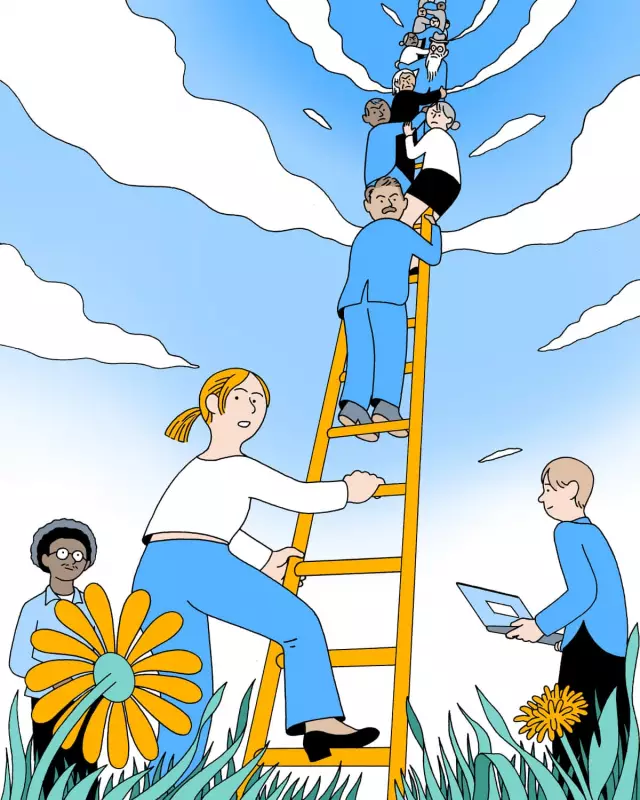
Younger employees establishing themselves in their careers are confronting relentless criticism from senior leaders across corporate America, echoing the same treatment millennials received when they first entered the workforce.
The Familiar Pattern of Generational Criticism
Generation Z workers are being labelled as undisciplined, entitled, and lazy by some corporate leaders. One particularly harsh column in the Wall Street Journal even suggested this entire generation might be "unemployable".
Those who remember the arrival of millennials into the workplace are experiencing significant déjà vu. Millennials faced nearly identical accusations of being lazy, entitled, delusional, narcissistic, and unreliable when they began their careers.
Organisational psychologist Adam Grant from Wharton Business School explains this recurring phenomenon. "Every generation tends to complain about the one next to us," he noted. "Everyone used to hate millennials, and now it's gen Z."
Why This Criticism Cycle Intensifies
While each new generation faces scrutiny entering the workforce, industry experts suggest the criticism against Gen Z has been particularly intense. This generation's disillusionment with institutions they believe have failed them contributes to this dynamic.
Grant identifies another key factor: "We tend to compare [the younger generation] to our current selves, which is a mistake because most people are more narcissistic and self-centered at age 20 than they are at age 40. That's part of development and maturity."
Older generations often compare their strengths with younger generations' weaknesses, exaggerating divides and creating unfairly negative portrayals.
Gen Z Pushes Back Against Negative Stereotypes
Many younger workers strongly reject the harsh characterisations of their generation. Jahnavi Shah, a 25-year-old who recently secured her first full-time role at a San Francisco tech startup after a gruelling seven-month job search involving nearly a thousand applications, calls the negative narrative "bullshit."
"The generations before us, they were just all about work and then life would take a back seat," Shah explained. "We are a really smart generation that hustles, but we also don't want to burn out, and want to be paid adequately for the value that we bring in."
Nadya Okamoto, the 27-year-old co-founder of August, an eco-conscious menstrual products company, also disputes the criticism. "If you look at a lot of the jobs that gen Z is known to do really well, like social media marketing, they weren't jobs 20 years ago, so in this sense we're obviously employable," she argued.
Shifting Workplace Values and Priorities
Generation Z's approach to work differs significantly from previous generations. According to leadership and culture strategist Madeline Miller, "The capitalist system is extractive, and gen Z are starting to say: 'I'm tired and I'm going to get nothing out of this.'"
Younger workers prioritise flexibility, purpose, and wellbeing over overtime and promotions. Recent Deloitte research reveals that 89% of Gen Z workers and 92% of millennials consider a sense of purpose very or somewhat important for their job satisfaction.
This generation also embraces technology to work smarter. Over half of Gen Z employees reported using artificial intelligence regularly in their work, according to the same Deloitte survey. Shah notes that her generation focuses on "smart work," using AI tools to complete ten-hour tasks in just five hours.
The Business Case for Bridging Generational Divides
Companies that dismiss or write off Gen Z staff risk their overall performance, according to Grant. He emphasises that both older managers and younger staff benefit from abandoning stereotypes and learning from each other.
"It is a new generation that comes in and holds up a mirror so you can see yourself more clearly and see how you may not have kept up with the way the world has evolved," Grant added. "Older generations have a lot of knowledge and experience to offer. Younger generations have fresh perspectives and digital savvy. We want to cross-fertilize between the generations."
Miller warns that companies failing to adapt risk "imploding." She believes "Gen Z is going to transform the way we work completely" and suggests companies should "become curious about gen Z, and integrate personal and professional development – rather than imposing existing structures, hierarchies and leadership models on them."
The fundamental shift stems from changed expectations about the employer-employee relationship. As Grant explains, "Gone are the times when you took a job with one employer, and you stayed there for 35 years, and you plan to retire there, and you expected them to take care of you." Mass layoffs and corporate betrayals have eroded implicit trust between workers and employers, particularly for a generation that witnessed institutions fail to deliver on promises of stability and wealth.




