
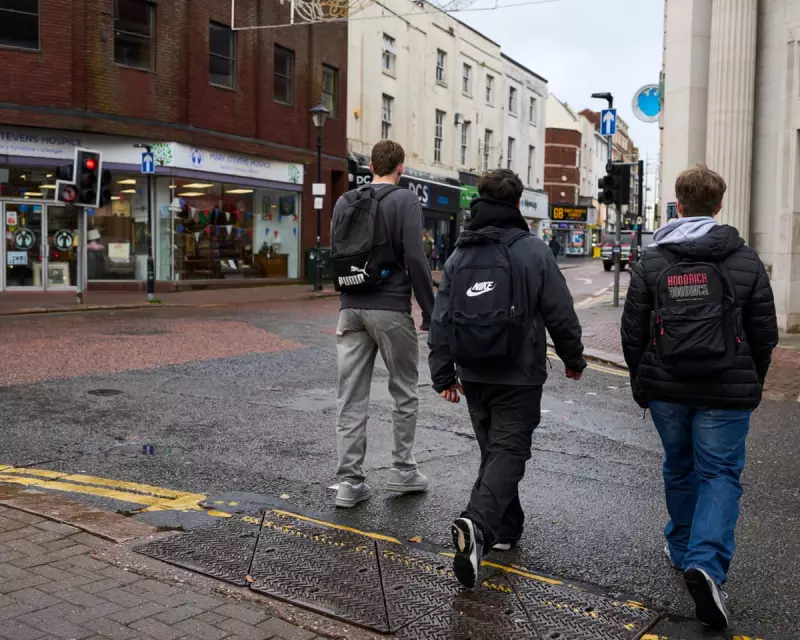
New figures have exposed a deepening youth crisis in the West Midlands, with almost one in five school-leavers in Dudley currently not in education, employment, or training. This alarming statistic places the Black Country town at the centre of what is being described as a national youth jobs emergency.
The Education Gap
A former teacher with 24 years of experience in the region has pinpointed a fundamental mismatch between the national curriculum and local economic needs. Kartar Uppal from Sutton Coldfield argues that working-class communities in the Black Country have traditionally valued technical education, but the current system makes little provision for this.
Investment in technical education from an early age is being proposed as a vital solution. Such a move would equip young people with practical skills that could, in turn, attract more employers to the Dudley area and stem the tide of youth inactivity.
Broader Policy Discussions
The revelation about Dudley's NEET rates emerged amidst a wider conversation in the Guardian's letters page, covering diverse topics from benefit calculations to street names.
On the subject of winter fuel payments, Godfrey Keller from the University of Oxford's economics department clarified the Department for Work and Pensions' complex assessment process. Entitlement is calculated based on circumstances during a qualifying week in September, but the final payment depends on income in the 2025-26 tax year, which will not be fully known until at least April next year.
A Call for Localised Solutions
The situation in Dudley highlights a critical need for educational and economic policies that are tailored to regional strengths. The high proportion of NEETs suggests that a one-size-fits-all national curriculum is failing to serve the aspirations of many young people in areas with strong industrial and technical heritage.
Without targeted intervention and greater investment in vocational training, there is a significant risk that a substantial portion of a generation in the Black Country could be left behind, with long-term consequences for the local community and economy.




