
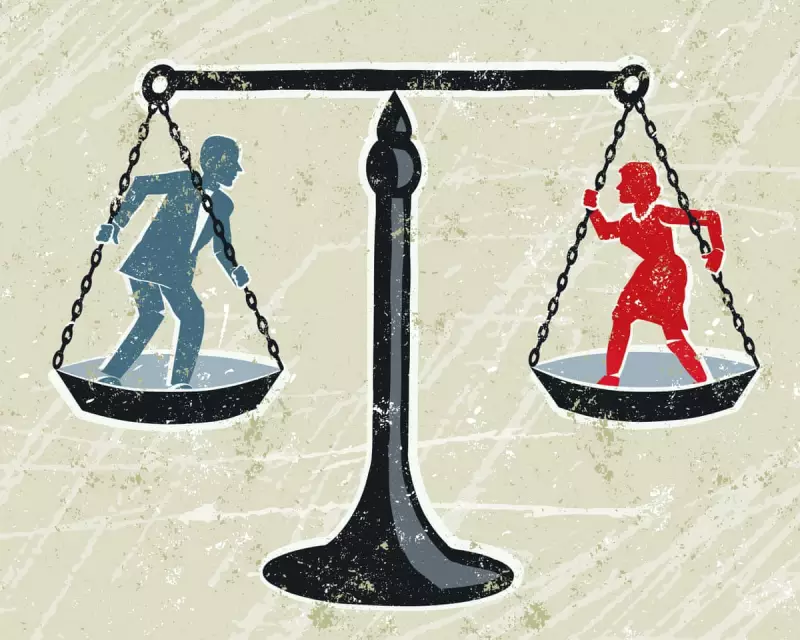
A controversial new theory gaining traction suggests the modern workplace has become dangerously 'feminised', creating a global imbalance by suppressing stereotypical masculine values. This idea, popularised by American journalist Helen Andrews at the National Conservatism conference in Washington DC, argues that an influx of women into positions of power has prioritised traits like conflict resolution over 'manly plain speaking', to the detriment of society.
The Real Data on UK Men's Struggles
However, a groundbreaking new report, The State of UK Men from Beyond Equality, reveals a different and more pressing crisis. The data shows that 88% of men surveyed believe being a man means providing financially for their family, with just over half feeling it's more important for men to be the primary breadwinners. Yet, a startling 40% reported their income was insufficient for daily needs, and over half constantly worry about their financial future.
Academic Finn Mackay, author of Female Masculinities and the Gender Wars, argues the 'feminised workplace' thesis makes two fundamental errors. Firstly, feminine stereotypes don't represent all women, just as masculine stereotypes don't define all men. Secondly, we don't need a 'feminised' world, but we do need a feminist world where everyone can thrive.
The Masculinity Burden and Economic Reality
The core issue lies in what Mackay terms the 'masculinity burden' – the notion that challenges to men's income or job security are viewed not just as human struggles, but as direct attacks on masculinity itself. This perspective obscures the fact that women face identical economic pressures. The gender pay gap in the UK remains around 13% across all employees, and women are more likely to be in lower-paid part-time work or heading households as the main 'shock absorbers' of poverty.
Scott Galloway, another influential voice, summarises masculinity as 'getting up at six in the morning and going to work and doing shitty work such that you can protect your family economically'. While not arguing for women's removal from workplaces, he frames universal labour market issues primarily as male concerns.
A Path Forward for Everyone
The solution isn't fewer women in workplaces, but better conditions for all workers. Men report wanting job security, livable wages, affordable rents, reliable sick pay, and flexible work for parenting and caring responsibilities. Encouragingly, the Beyond Equality report found 83% of men believe in sharing housework and care with their partner, and 80% want practical support to help fathers be more present in family life.
These policies would benefit everyone by addressing human needs for love and care within families and communities. If creating such supportive environments constitutes a 'feminised' world, Mackay concludes, then it's a feminist one we should all embrace.




