
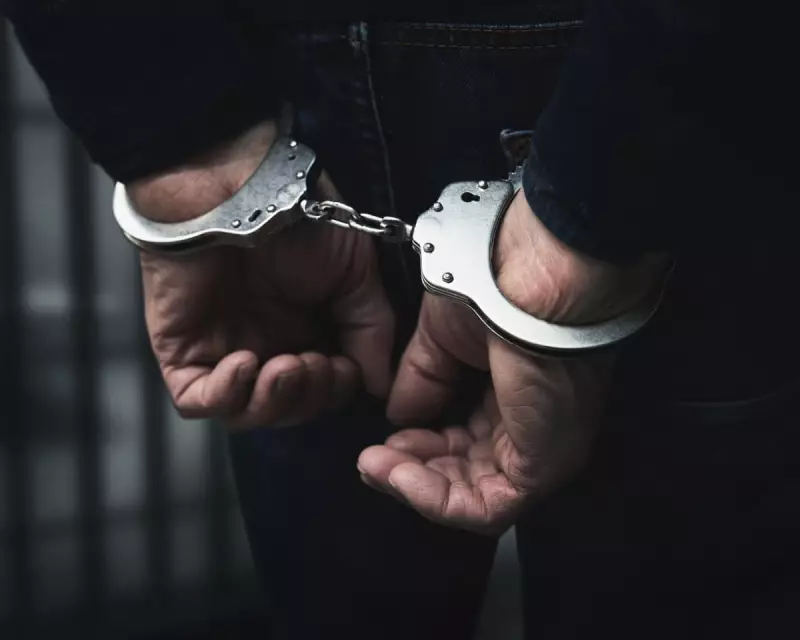
An alarming report has revealed a deeply troubling cycle affecting thousands of individuals in Florida, where criminal records are creating insurmountable barriers to stable employment. The situation is pushing many towards exploitative temporary work agencies, trapping them in a cycle of precarious work with little hope for advancement.
The Barrier of a Criminal Record
Erica Averion, Executive Director of the Florida Foundation for Correctional Excellence, expressed profound concern after reading the November 18th report detailing how Floridians remain trapped by their past records. Her work regularly takes her into the state's prisons, where she helps prepare individuals for their futures after release.
However, the reality they face upon re-entering society is starkly different from their preparations. A criminal record, even for old or minor offences, quickly becomes a significant obstacle to securing permanent, meaningful employment. This systemic failure drives many directly into the arms of temporary agencies that often offer poor working conditions and limited prospects.
The Clean-Slate Solution
One promising solution gaining traction is the automation of the record-sealing process. While Florida technically has a process for expunging eligible records after a predetermined time, the current system is hampered by bureaucratic red tape and financial costs that prevent those who need it most from accessing relief.
Thirteen states and Washington DC have already passed progressive clean-slate legislation designed to remove these unnecessary administrative barriers. These laws automatically seal eligible records, expanding access to opportunity without requiring individuals to navigate complex legal processes they cannot afford.
The potential impact in Florida is substantial. An estimated 6.2 million adults in the state have an arrest or conviction record, meaning millions of Floridians could benefit from the implementation of an automated record-sealing policy.
Bipartisan Support and Federal Backing
Importantly, Florida would not be tackling this challenge alone. Laurel Lee, representing Florida in Congress, introduced a bipartisan bill earlier this year that would allow states with automated record sealing or expungement laws to apply for federal infrastructure grants.
As Congresswoman Lee aptly stated, "People who have worked to turn their lives around after a criminal conviction deserve the opportunity to move forward, not be held back by administrative barriers." This federal support could provide crucial resources for implementing an effective system.
Automated record-sealing would fundamentally transform hiring processes by removing the stigma of old arrests or convictions. This change would make it significantly easier for reformed individuals to find permanent employment, providing them with the genuine second chance they have worked hard to deserve.
The need for legislative action is clear and urgent. Florida's lawmakers now face a critical opportunity to provide every Floridian with a real path toward redemption and economic stability.




