
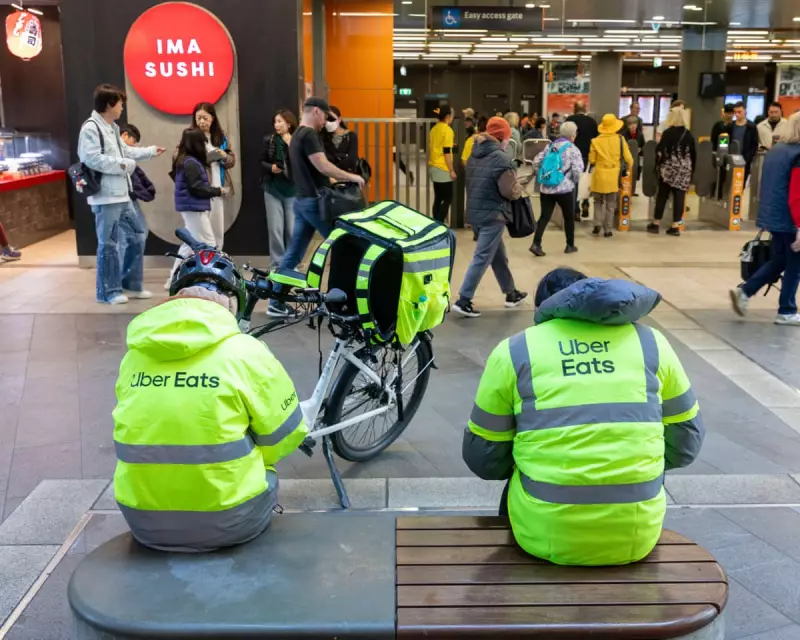
In a groundbreaking move that could reshape the gig economy landscape, Australia's two largest food delivery platforms have joined forces with worker representatives to establish minimum standards for delivery drivers.
A World First Agreement
DoorDash and Uber Eats have submitted a joint application with the Transport Workers' Union to the Fair Work Commission, marking what experts describe as a 'world first' collaboration between gig economy companies and unions. This unprecedented deal follows years of negotiations and comes after workplace reforms introduced by the Albanese government empowered the industrial umpire to set minimum standards for gig workers.
The agreement represents significant concessions from both sides, with the union accepting the classification of workers as 'employee-like' rather than pushing for full employee status. This compromise has paved the way for protections that would become legally enforceable under new standards.
What the Deal Includes
The proposed standards include a minimum safety net rate of pay of at least $31.30 per hour scheduled to take effect from 1 July 2026, with a slight increase from 1 January 2027. This rate would apply across all transport modes used by delivery drivers, with minor variations depending on vehicle type.
Beyond pay guarantees, the protections encompass new dispute resolution processes, engagement and feedback mechanisms, representation rights, and crucially, accident insurance coverage for injured workers. Eric Ireland, a Melbourne-based driver working across multiple platforms, welcomes the changes, noting they'll ensure payment even during restaurant waiting times.
'The peace of mind that you are actually getting paid while you're on the job can only be a good thing,' Ireland stated, revealing he currently averages about $22 per hour before fuel costs.
Important Limitations and Insurance Details
Workplace relations expert Professor Alex Veen from the University of Sydney highlights that this safety net differs from traditional minimum wage arrangements. The hourly rate doesn't apply to time spent waiting between delivery jobs, and the deal excludes penalty rates for night work or unsocial hours.
Regarding insurance, the agreement stipulates that workers must maintain third-party vehicle insurance, while Uber Eats and DoorDash will organise and pay for personal accident coverage. This becomes particularly significant given TWU reports indicating 23 gig worker fatalities in Australia since 2017, with potential underreporting of workplace deaths.
Potential Consumer Impact and Broader Implications
While neither company has confirmed how they'll cover increased operating costs, Professor Veen suggests platforms will likely pass these onto consumers through higher delivery fees. Dr Michael Rawling from University of Technology Sydney believes Australians might accept modest price increases knowing workers receive fairer treatment.
The deal's significance extends beyond food delivery, potentially influencing minimum standards for other gig economy sectors including package delivery and ride-share services. The TWU has already flagged intentions to submit similar applications covering ride-share drivers.
What Happens Next?
Approval from the Fair Work Commission remains essential before these standards can take effect. Professor Andrew Stewart from Queensland University of Technology cautions that this is 'not a done deal', as the FWC must consult other stakeholders, including competing delivery platforms.
A potential complication involves whether workers should be classified as employees rather than 'employee-like' - a determination that could trigger legal challenges reaching Australia's High Court. Despite uncertainties, Professor Stewart acknowledges the agreement's importance in accelerating the establishment of protections for gig economy workers.




