
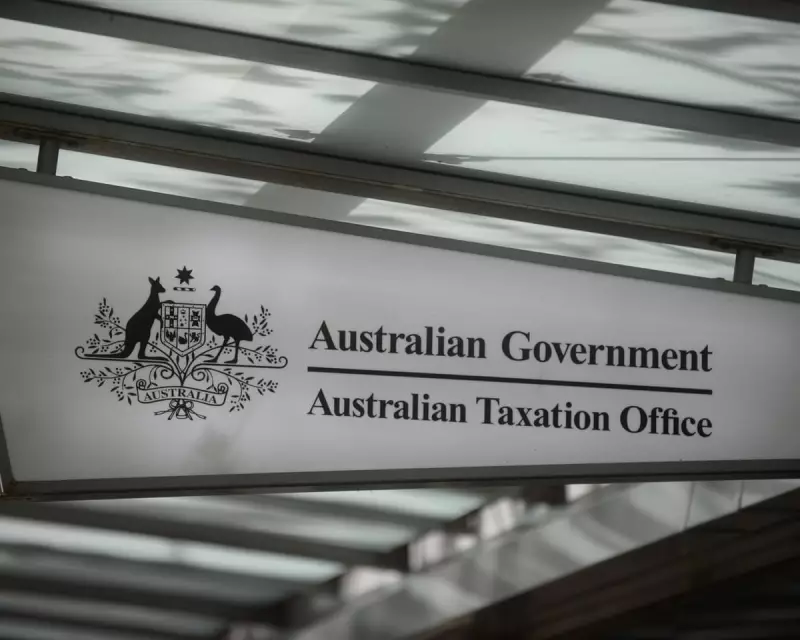
A worker at an Australian Taxation Office (ATO) call centre has launched a landmark legal challenge that could fundamentally reshape the agency's extensive use of outsourced labour. Nathan Brunne, employed by the private equity-backed firm Probe Operations, has applied to the Fair Work Commission for a 'same job, same pay' order.
Challenging the Pay Disparity
The application shines a spotlight on the ATO's use of for-profit call centres, which has faced growing scrutiny over complaints of low pay, poor conditions, and extreme staff turnover. Workers argue that despite performing identical duties, using the same systems, and having equivalent security obligations as directly employed ATO staff, they suffer from an extreme pay disparity.
This pay gap often amounts to a difference of tens of thousands of dollars in annual income. Brunne's case is leveraging the Albanese government's own workplace reforms, which were designed specifically to prevent employers from using labour hire firms to undercut direct employees' pay.
Unions Rally Behind the Case
The Community and Public Sector Union (CPSU) has officially joined the application. The union's deputy national president, Beth Vincent-Pietsch, stated that they have campaigned for years against the use of outsourced workers for public sector roles.
Vincent-Pietsch argued, "These private contract arrangements cost taxpayers more than directly employed public servants, while the workers themselves receive lesser pay and conditions." She added that a successful application would deliver fairness to workers, improved services, and better value for taxpayers' money.
Furthermore, the Australian Services Union indicated its support for Brunne during an initial hearing.
Potential Widespread Implications
If the application is successful, it would force not only Probe Operations but also other major ATO contractors—Nasdaq-listed Concentrix Services and British multinational Serco—to pay their call centre staff the same rates as ATO employees covered by the public sector agreement.
The legal argument is expected to centre on whether the ATO's use of outsourced call centres constitutes a genuine service arrangement or an attempt to access cheaper labour. A key factor will be the degree of overlap in job functions and systems between the ATO and the contracted firms.
This case follows a significant precedent set in July, when BHP was ordered to increase the pay of thousands of workers after the commission classified them as labour hire employees rather than a service provider.
Probe's legal counsel has confirmed the company will oppose the application. The ATO, along with the private operators, has four weeks to formally respond to the claims. An ATO spokesperson declined to comment on the specific matter, stating it would be inappropriate while before the Commission.
This legal challenge emerges against a backdrop of increasing complaints about the ATO's services, including its debt collection methods and the quality of responses from call centre staff, as noted by the tax ombudsman and tax agents.




