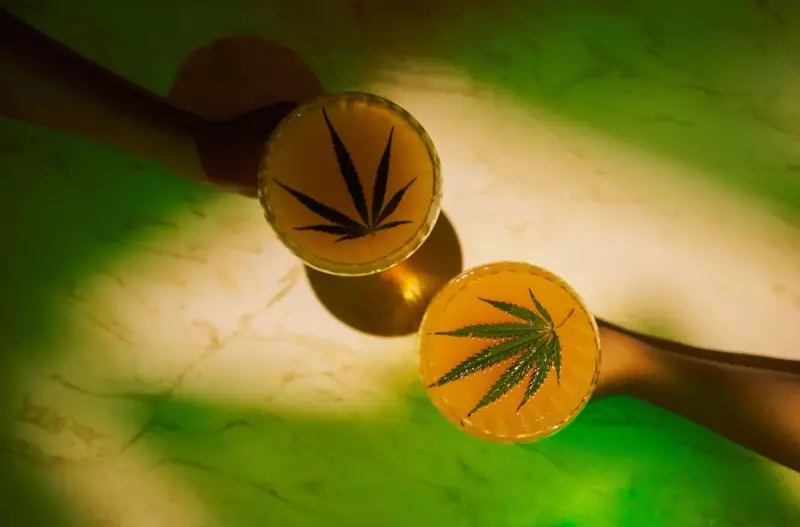
In a significant shift for the American cannabis market, Congress has moved to outlaw the majority of hemp-derived products. The ban, tucked into a last-minute spending bill that ended a government shutdown, is scheduled to take full effect in November 2026. This legislative change is poised to dramatically alter the pricing, availability, and very composition of popular items like CBD tinctures, balms, and THC-infused beverages.
State Markets and Interstate Commerce: A Fragmented Future
The ability to purchase hemp-derived products after 2026 will largely depend on where you live. According to Jonathan Miller, General Counsel for the US Hemp Roundtable, states that have established their own legal frameworks for regulated hemp will likely see their markets continue. However, they will operate more like existing state-level medical and recreational cannabis programmes, which exist despite federal prohibition.
The core change lies in the legal definition of hemp. Currently, hemp is any product from plants containing less than 0.3% delta-9 THC. Under the new ban, legal hemp products would be redefined to contain only 0.4 mg of any THC per entire package—a trace amount. For states with their own hemp regulations, such as Minnesota, New York, Illinois, and Kentucky, markets may persist but in a severely limited form.
The most consequential blow is to interstate commerce. "The problem is there'll be no more interstate commerce," Miller stated. This means shipping hemp products across state lines will become illegal, and online sales will face severe restrictions, Balkanising the national market.
Price Hikes and Market Shifts
Consumers should brace for significantly higher prices. Products in state-legal cannabis dispensaries are typically more expensive due to heavier regulation. Once the federal ban is enforced, hemp retailers in compliant states will face similar costly restrictions.
A major factor is Section 280-E of the tax code, which prohibits businesses from deducting expenses related to "illicit" substances. If applied to hemp, producers would pay far more in taxes, passing those costs to consumers. Furthermore, confined state-level markets lose economies of scale. "If you're only able to sell within that state, it becomes a lot more expensive for the individual product," Miller explained.
In states without a legal hemp framework, companies may have to pivot to state-licensed cannabis dispensaries. Josh Kesselman, CEO of Raw, predicts astronomical price rises for CBD, drawing a parallel to Canada's regulated market. "CBD products that now cost $10 would sell for around $80 in a licensed dispensary. So your access goes down," he warned.
The Threat to THC Beverages and CBD Efficacy
The burgeoning category of THC drinks faces an existential threat. Their distribution often relies on major alcohol distributors. Without profitable interstate sales, "there's a lot of concern that a lot of distributors would just simply drop the products," said Miller. This jeopardises both market growth and quality control, as reputable distributors enforce high safety standards.
For CBD products, the ban could undermine their effectiveness. Many rely on the "entourage effect," where CBD works best alongside other cannabinoids and terpenes, including trace THC. Full-spectrum CBD products, which contain these additional compounds, would be outlawed under the new THC limit.
"The only ones that really work are the full spectrum CBD balms," Kesselman asserted. While companies may adapt by using terpenes from other plants like mango or lavender, "it won't be the same as just having a natural plant." However, Jasmine Johnson, CEO of GŪD Essence, remains optimistic about alternative botanical pathways, noting research into plants like lavender, chamomile, and cacao for functional support.
The 2026 deadline now sets the clock ticking for an industry valued in the billions, promising a complex and costly transition for businesses and consumers alike across the United States.