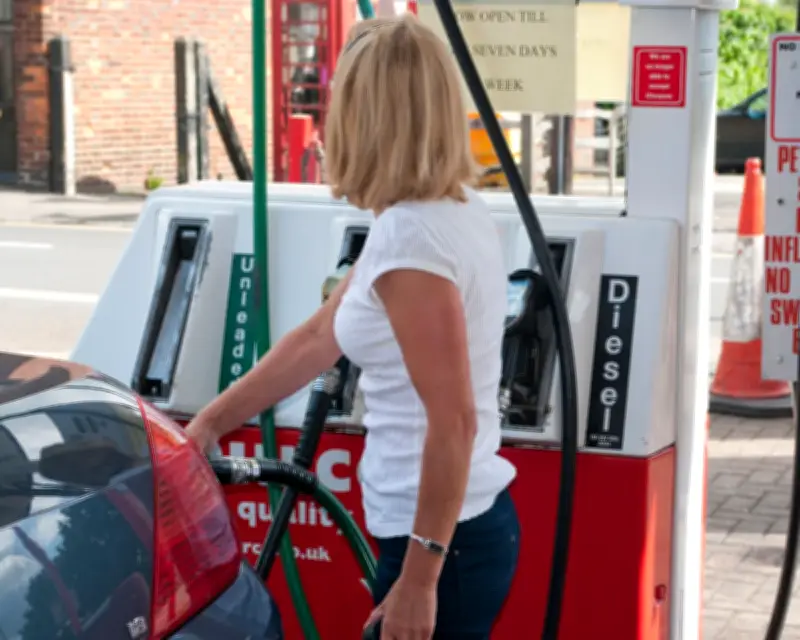
Surprisingly benign UK inflation data signals a softer Iran war hit than feared, as consumers endure rapid petrol price increases without broader economic spillover.
Inflation Steady Despite Fuel Price Surge
UK inflation remained at 2.8% in May, defying expectations of a rise to 3%, the Office for National Statistics (ONS) reported. This follows a larger-than-expected fall in April. While motor fuel costs surged 25% year-on-year, food prices actually dipped 0.1% month-on-month, suggesting fuel price rises have not yet spilled over into the wider economy.
Central Bank Response
The Bank of England's Monetary Policy Committee is widely expected to keep interest rates on hold at 3.75% at its Thursday meeting. Markets now anticipate a potential rate rise in November rather than September, as the benign data reduces pressure for immediate action.
Bank of England Governor Andrew Bailey noted that firms lack "pricing power" to pass on higher costs, as cash-strapped shoppers resist price increases. This contrasts with 2022 when Russia's invasion of Ukraine drove inflation to 11.1%.
Global Context
The UK's inflation path mirrors that of the EU, despite some EU countries implementing fuel tax cuts. US inflation hit a three-year high of 4.2% in May, though President Trump downplayed the figure. The recent US-Iran peace deal has pushed oil prices below $80 a barrel, easing the Bank's worst-case scenario.
Economist Andrew Wishart of Berenberg bank said the downside surprise was due to lower food and goods prices, indicating firms lack pricing power to pass on energy cost increases. While most analysts still expect at least one rate rise this year, the next move could ultimately be a cut if the jobs market downturn becomes a greater concern.