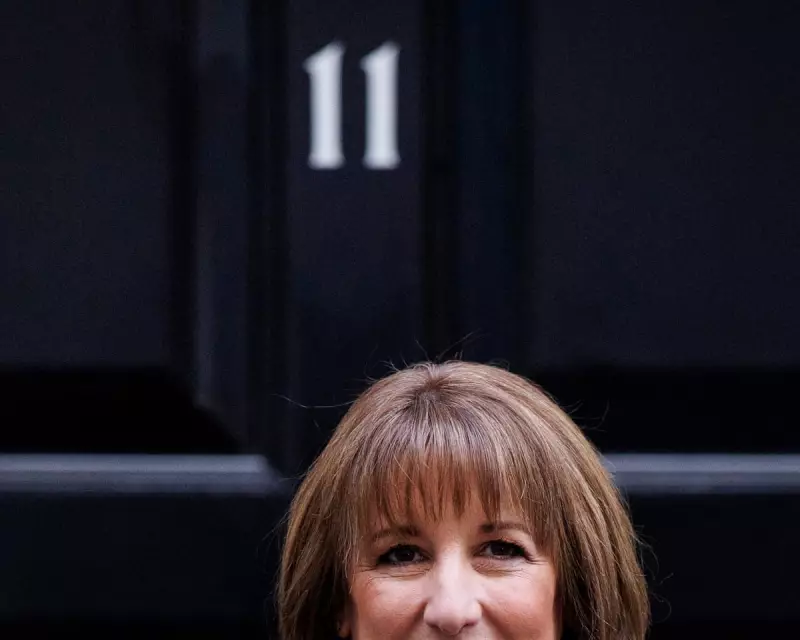
On a brisk November day in 2025, Chancellor Rachel Reeves stood outside 11 Downing Street, presenting a budget against a backdrop of profound public scepticism. Despite Labour's election victory, a recent poll ranked her as the worst chancellor in modern history. This sentiment raises a critical question: is the British economy truly in as dire a state as it feels, or is the reality more nuanced?
The Wage and Inflation Puzzle: Feeling the Pinch
A logical starting point is the relationship between wages and prices. In the wake of the Covid pandemic, price inflation surged dramatically, severely eroding the purchasing power of salaries. While wage growth has now caught up with headline inflation, offering strong income gains for most, the everyday experience for many remains strained. The core issue lies in how inflation is measured and experienced.
Official figures average price rises across all goods, but this masks a critical disparity. Although incomes have outpaced the cost of electronics and clothing, they have failed to keep pace with soaring prices for essentials like food, energy, and housing. Our perception of the cost of living is often anchored to frequent, painful purchases—a weekly shop or a cup of coffee—where prices remain high.
This uneven inflation hits the poorest households hardest. They spend a larger proportion of their income on the very goods that have seen the sharpest price hikes, while simultaneously experiencing the weakest income growth. For them, the cost of living crisis is far from over.
The Asset Divide: The Crushing Weight of Housing
Beyond monthly income, personal wealth and assets shape our economic wellbeing. The UK housing market is a prime source of discontent. The house-price-to-income ratio has more than doubled since the 1990s, placing homeownership out of reach for a growing number. Many cannot afford the type of home their parents bought at a similar life stage.
Years of expansionary monetary policy, while necessary in past crises, have inflated the value of financial assets like property, widening wealth inequality. This influx of capital, combined with a chronic shortage of housing stock, has driven prices ever higher. For international investors, property is a financial asset; for most Britons, it is an increasingly distant aspiration, creating a deep-seated sense of unfairness.
Public Services Under Strain: A System at Breaking Point
Dissatisfaction extends deeply into the realm of public services. An under-resourced NHS and overstretched public infrastructure are significant sources of frustration. Waiting times are rising across A&E, ambulance services, and scheduled treatments. The UK has fewer practising doctors per 1,000 people than most EU nations, and a severe shortage of dentists.
Two major factors are stretching services to their limit: chronic underinvestment and an ageing population. Pension and healthcare systems were designed for an era of faster economic growth and shorter lifespans. Today's reality of lower growth and longer lives demanding more care has rendered that model unsustainable.
A Nation United in Discontent, Divided in Cause
The reasons for unhappiness vary across society. The poorest are unambiguously worse off, with lower real incomes than two decades ago. Low to middle-income earners may have seen wage growth, but they are less likely to own a home or carry larger mortgages. Both groups rely more heavily on public services, experiencing a tangible decline in living standards.
Meanwhile, a growing discontent simmers among middle to high-income households who contribute a disproportionately large share of the UK's tax take. While the average UK worker pays relatively low taxes by international standards, the tax burden rises more steeply with income here than almost anywhere else.
Pathways Forward: Tough Choices for Government
So, what can the government do? Meaningful improvement in public services and the investment needed to fuel long-term growth will likely require even higher taxes. Survey evidence suggests many would support this if funds were ring-fenced for the NHS and essential services.
Addressing wealth inequality could boost the purchasing power of the majority, but wealth is notoriously difficult to tax in a global economy where capital is highly mobile. This capital is also vital for the business investment the UK has lacked for years.
The challenge for Chancellor Reeves and the government is profound. Success could deliver a more dynamic economy, rising homeownership, and improved public services. Failure will see the public seek alternatives, with those offering simplistic solutions likely to make matters worse. The truth of the UK economy is a story of uneven progress, where aggregate figures mask deep and varied strains felt in households every day.