UK Economic Growth Slows Dramatically in Third Quarter
The UK's economic slowdown intensified during the third quarter of 2025, with official figures revealing growth of just 0.1% between July and September. The Office for National Statistics (ONS) released the preliminary estimate, which presents challenging reading for Chancellor Rachel Reeves as she prepares her second budget.
September Contraction and Key Contributing Factors
The ONS reported an unexpected contraction of -0.1% in economic output during September alone. A significant factor in this decline was the disruption to production at Jaguar Land Rover following a cyber attack. This weak performance follows growth of 0.3% in the previous quarter and a more robust 0.7% expansion between January and March.
The encouraging start to 2025 was subsequently undermined by the escalation of Donald Trump's trade war and the implementation of budget measures that placed employers under additional financial pressure. Economists have identified these factors as contributing to rising inflation while damaging investment and employment prospects.
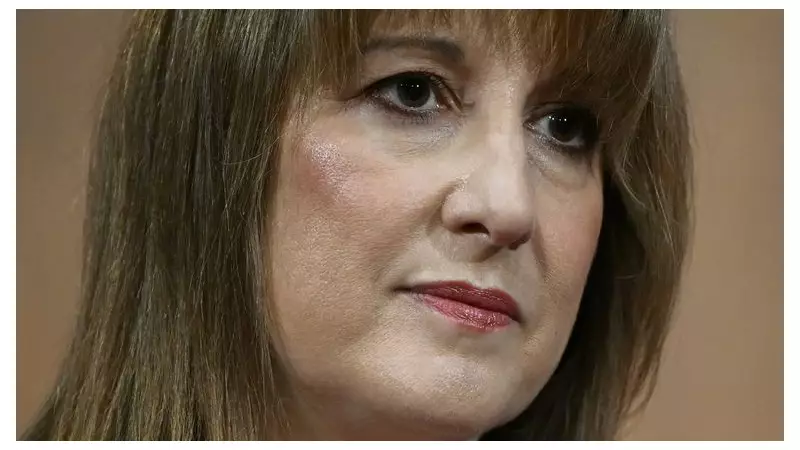
Liz McKeown, ONS Director of Economic Statistics, commented: "Growth slowed further in the third quarter of the year with both services and construction weaker than in the previous period. There was also a further contraction in production."
She specifically highlighted that "manufacturing drove the weakness in production" across the quarter, noting "a particularly marked fall in car production in September, reflecting the impact of a cyber incident."
Economic Consequences and Policy Responses
The weaker-than-expected figures have strengthened expectations that the Bank of England will cut interest rates at its December meeting. Financial markets now overwhelmingly anticipate a reduction to 3.75% from the current 4% on 18 December.
Recent data also showed the UK's unemployment rate has risen to 5%, up from 4.1% when the Labour government took power with economic growth as its primary objective. Business groups have criticised the chancellor's policies, particularly hikes to minimum wage levels and employer national insurance contributions, which they argue have harmed private sector investment and employment.
The Bank of England has supported assertions that hiring and staff retention have been adversely affected. There is further evidence that rising employment costs have been passed on to consumers, contributing to the UK's stubbornly high inflation rate, though this figure is expected to ease in coming months.
Chancellor Rachel Reeves has attributed economic challenges to external factors including Brexit and the US trade war, stating these have left her confronting a financial situation similar to what she inherited from the previous Conservative government. Her second budget is scheduled for 26 November.