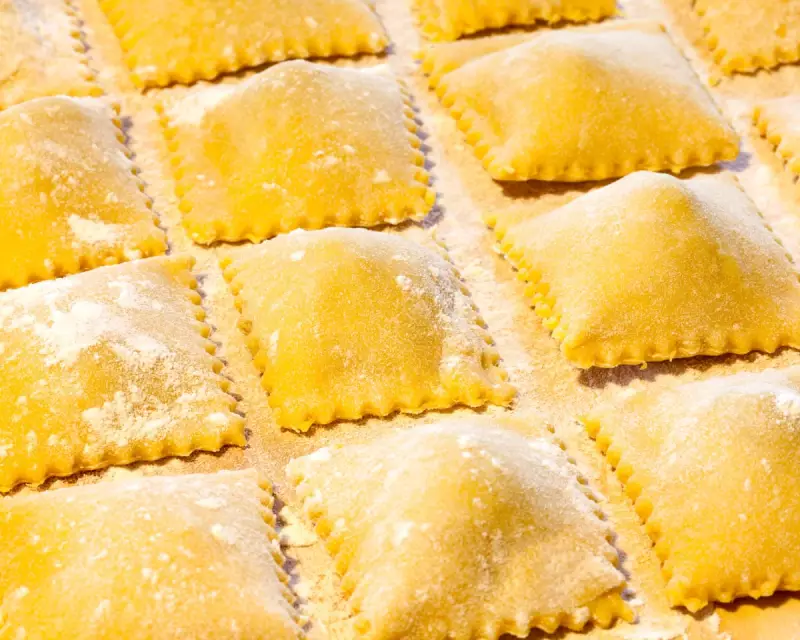
American pasta enthusiasts are facing an unexpected culinary crisis as the Trump administration considers imposing staggering 107% tariffs on Italian pasta imports, potentially creating nationwide shortages and price hikes for favourite brands.
The Panic Buying Begins
This week, Kelly, a 42-year-old product manager from Philadelphia, made an emergency trip to her local Wegman's supermarket, spending $100 on Rummo pasta after discovering the potential tariff announcement. Like many Americans with celiac disease, Kelly depends on specific gluten-free pasta brands that could disappear from shelves if the tariffs take effect in January.
"The idea of not having any pasta that I can safely eat and won't cost an arm and a leg was a little terrifying," Kelly confessed, requesting her last name be withheld over concerns about retaliation from Trump supporters.
The proposed tariff has sparked widespread alarm across social media platforms. MSNBC host Chris Hayes declared himself a "one issue voter" on X, while TikTok users referenced Tony Soprano's famous line: "So what, no fucking ziti now?"
Understanding the Tariff Structure
The potential 107% tariff comprises two components: 92% newly proposed by the US Department of Commerce, which alleges Italian producers sell pasta at unfairly low prices, plus an existing 15% Trump tariff on European Union imports. This dramatic increase could force Italian pasta companies to withdraw from the American market entirely.
According to Wall Street Journal reports, Italy currently accounts for $770 million in annual pasta sales to the United States. However, experts note that most pasta consumed in America is already domestically produced.
Scott Laing, a clinical assistant professor of finance at the University at Buffalo School of Management, explained: "Most of the pasta sold in the United States is already domestically produced. Maybe a $5.99 box of gluten-free pasta is going to become $11 or $12, but I don't think most consumers are going to notice it."
Domestic Producers Poised to Benefit
Barilla, the ubiquitous blue-and-red boxed pasta found in American supermarkets, holds a dominant 34% market share and operates production factories within the United States. This domestic manufacturing presence likely shields the brand from the worst effects of the proposed tariffs.
However, Scott Ketchum, founder of American artisanal pasta brand Sfoglini, predicts domestic manufacturers will "take advantage" of the situation. "That's just business," Ketchum noted, acknowledging that his company already pays tariffs on organic wheat imported from Italy.
Laing warned of potential price inflation across all pasta products, regardless of origin: "News stories are going around about the tariffs that are already starting to train consumers to think 'oh, pasta prices are going up,' without realizing that the majority of their pasta isn't actually an Italian import."
Vulnerable Communities Most Affected
The tariff announcement comes during broader grocery price increases across America. The Yale Budget Lab estimated in September that tariffs would cost households an extra $2,400 annually, while delayed Snap benefits due to government shutdowns have left food stamp recipients anxious and hungry.
For Katie Gia, a 29-year-old Florida resident with gluten allergies, stockpiling pasta like Kelly isn't financially feasible. "Gluten-free pasta generally is also limited stock," Gia explained. "I'll buy a couple bags of the brands I like, but I also know there's a lot of other people who are going to want to do the same thing."
Kelly acknowledged the relative pettiness of her pasta concerns amid larger global issues but emphasized the unique burden faced by those with dietary restrictions: "When you have celiac disease, so much of your brain power is constantly consumed by food. What can I eat? What is safe? It's a low-level anxiety that always hangs with you. The idea that a staple food you can eat might just go away is one more dig that we have to deal with."