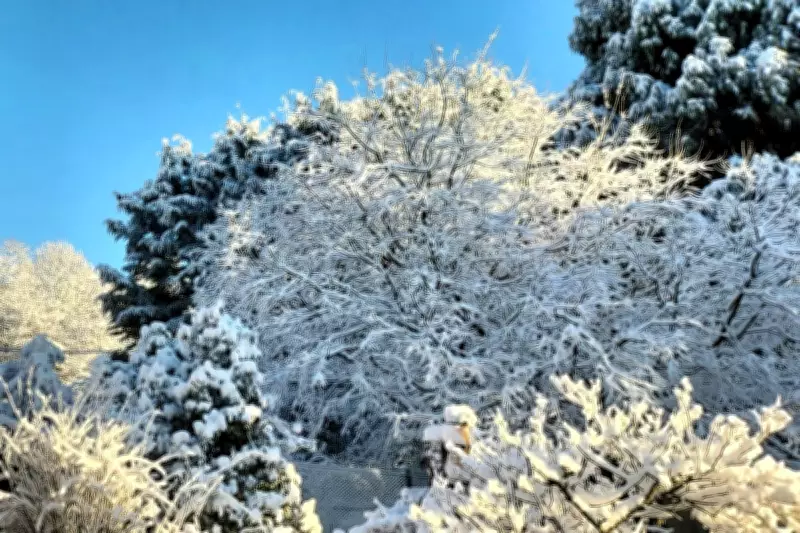
A cold front and high-pressure system are set to bring wintry conditions to much of southern Australia, with snow forecast for three states. Meteorologists predict the first snowfall of the year for several areas as temperatures plummet.
Cold Front Impacts Victoria and Tasmania
Senior meteorologist Dean Narramore from the Bureau of Meteorology stated that Victoria and Tasmania will experience the strongest effects of the cold front, including hail, thunder, and strong winds. Snowfall is possible at altitudes as low as 500 meters in Tasmania and 700 meters in Victoria. Locations such as Lake Mountain, Mt Baw Baw, and Mt Macedon may see snow, according to Weatherzone.
High-Pressure System Brings Cooler Weather
A large high-pressure system forming in the Great Australian Bight will extend cooler conditions to millions across Australia. Narramore noted that cooler air is reaching northern Australia and its coastal waters, signaling a shift into colder months. Melbourne's maximum temperatures are forecast to reach only 14°C on Thursday, with wind chill making it feel much colder in southern and alpine regions.
Tasmania and Snowy Mountains
Most of Tasmania will be showery and cold, with strong winds exacerbating the chill. The summit of kunanyi/Mt Wellington, at 1,200 meters, may see snow falling halfway to city level. In New South Wales, the Snowy Mountains could experience snow down to 1,000 meters, with a slight chance of flurries in the Central Ranges.
Sydney and Canberra
After an unseasonably warm autumn, Sydney will face a cold and windy maximum of 19°C on Thursday, feeling significantly colder. Blackheath in the Blue Mountains, at 1,060 meters elevation, may receive a dusting of snow. Canberra will shiver with maximum temperatures around 12°C, and snow is possible on Black Mountain and Mt Ainslie.
Unseasonable April Weather
The wintry blast contrasts with April's warmer-than-average temperatures across Australia. The Bureau reported that the national mean temperature in April was 1.14°C above the 1961–1990 average. Additionally, April rainfall was 43% below average, leading to dry conditions in many areas.