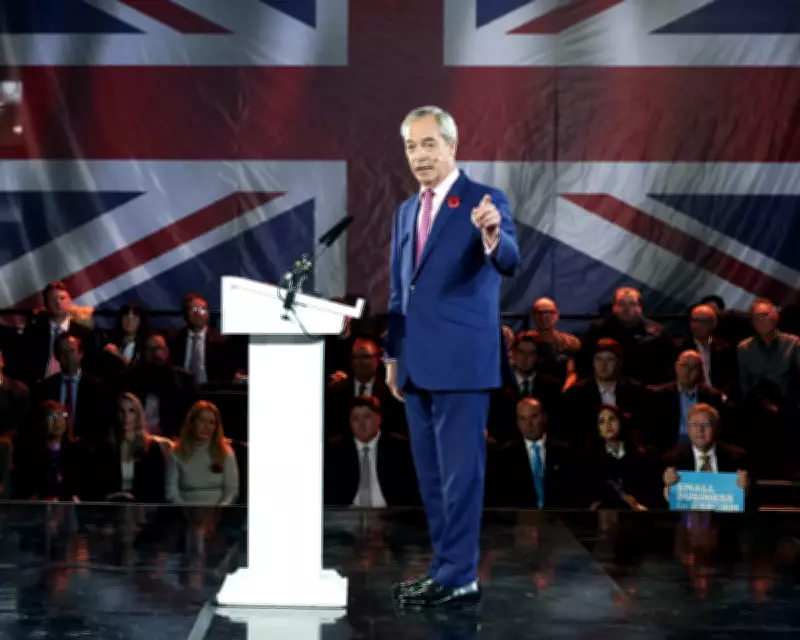
A Reform UK government led by Nigel Farage could cause significant economic disruption, according to a former Bank of England policymaker. Sushil Wadhwani, who served on the Monetary Policy Committee, argues that the party's anti-immigration stance poses a major downside risk for the UK economy after the next general election.
Potential Exodus of Workers
While specific policy changes under a Reform UK-led government remain uncertain, Wadhwani warns that forced repatriation, including of some British-born individuals, combined with a climate of fear, could lead to severe economic disruption. Estimates suggest the party might aim for at least 2 million people to leave the country, far exceeding previous figures of 600,000 deportations.
Minority ethnic NHS doctors and nurses already report increased racism at work, and Home Office data shows a steep decline in foreign nurses entering the UK over the past three years. A Reform UK government could be a tipping point, triggering a mini-exodus of skilled workers.
Impact on Key Sectors
The loss of experienced staff would be especially damaging. Rising NHS waiting lists would exacerbate labour shortages across the economy, potentially pushing up inflation. Other sectors, such as care, have already seen a collapse in visas for foreign-born workers.
This exodus scenario is riskier than the ongoing fall in net migration, which is more orderly. While GDP growth may slow, GDP per capita could rise over time. However, a climate of fear under Reform UK would have far larger adverse effects, including deterring minority ethnic parents from sending their children to UK universities, causing a sudden stop in international student numbers.
Foreign direct investment would also suffer. Corporate leaders in Japan or India might be less willing to locate key staff in the UK or travel there. Some UK-based entrepreneurs are already considering investing abroad for family safety, and the London property market could lose its safe-haven status. Tourism might also decline.
Historical Parallels
Wadhwani compares the potential impact of Reform UK policies to Idi Amin's forced expulsions in Uganda during the early 1970s, which caused a macroeconomic collapse. In contrast, the gradualist policies of Kenya over the same period led to slower growth but no collapse.
Uncertainty over policy could also affect UK gilt markets, requiring higher yields. Nigel Farage praised the 2022 Liz Truss budget, while Reform's shadow chancellor Robert Jenrick has pledged to keep the Office for Budget Responsibility independent.
Electoral Reform as a Solution
These economic effects depend on Reform UK winning a clear majority and implementing specific policies. The Labour government has prioritised boosting growth, and Wadhwani suggests adding electoral reform to the list of factors that could help. Moving from first-past-the-post to proportional representation might provide businesses with confidence that policy thrust will remain stable over the medium term, thereby increasing growth.
However, with election risk looming, it is crucial to address other obstacles to growth. UK productivity growth fell abruptly after 2008, from an average of 2% per annum to just 0.4%. Professor Stephen Nickell of Oxford University attributes this to Brexit, high energy prices, tax system complexity, and difficulty in timely construction. Wadhwani adds falling public investment, increased regulation, and policy instability from the electoral system.
The government is already seeking closer ties with Europe, which could help upgrade OBR growth forecasts. High industrial electricity prices remain problematic. While growth-boosting tax reform has not yet materialised, Wadhwani advocates moving from taxing capital or labour to land taxes.
Increasing growth will take at least a decade. Policy volatility after the next election threatens this, making electoral reform a potential way to escape the current low-growth rut.