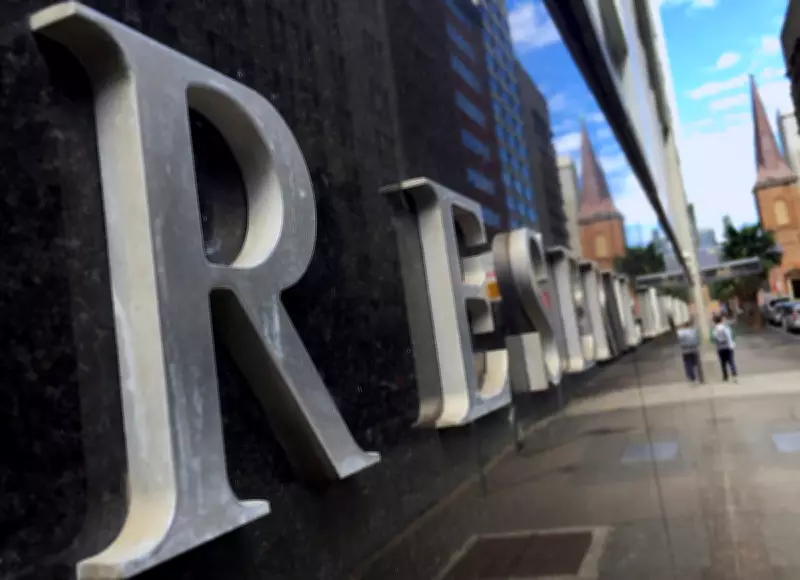
The Reserve Bank of Australia (RBA) has delivered a significant blow to mortgage holders by increasing the cash rate target to 3.85%, up from 3.6%, following its latest monetary policy meeting. This decision, announced on Tuesday, comes in response to an unexpected jump in inflation, marking the first rate hike since November 2023 and ending what was the shortest rate-cutting cycle in the RBA's modern history.
Inflation Pressures Drive Rate Increase
After a two-day meeting, the RBA's monetary policy board opted for a quarter of a percentage point increase, a move widely anticipated by financial markets. The hike is aimed at curbing inflationary pressures that have persisted through the latter half of 2025, posing challenges for the Australian economy. Governor Michele Bullock is scheduled to hold a press conference to discuss the implications, highlighting the central bank's focus on managing economic stability.
Impact on Mortgage Repayments
For homeowners, this rate rise translates into tangible financial strain. According to estimates from Canstar, a $600,000 home loan will see monthly interest costs increase by $90, pushing the total monthly repayment to $3,782. This added burden comes as households already grapple with rising living costs, sparking concerns about affordability and potential defaults in the housing market.
End of a Brief Rate-Cutting Cycle
The rate hike concludes a period of monetary easing that saw three reductions in the cash rate target in February, May, and August of last year. Some economic experts had cautioned that a rate increase might be an overreaction to the recent inflation uptick, warning it could risk derailing the fragile economic recovery. However, the RBA's decision underscores its commitment to tackling inflation head-on, even at the expense of short-term economic growth.
As the RBA navigates these complex economic waters, mortgage holders are left to bear the brunt of higher borrowing costs, with the full impact on the broader Australian economy yet to unfold. This move signals a shift in monetary policy that could have lasting effects on consumer spending, investment, and overall financial stability in the coming months.