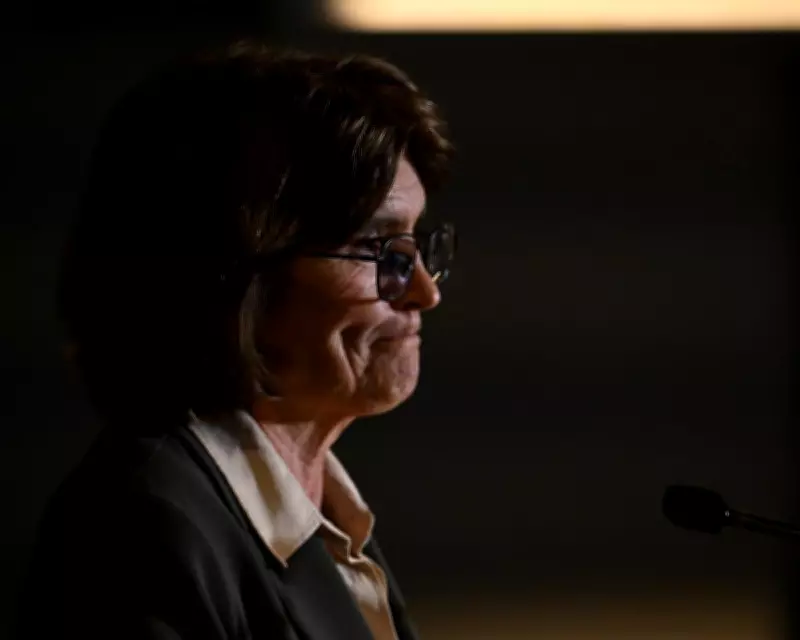
The Reserve Bank of Australia has delivered its third rise in official interest rates for the year, taking the cash rate up another 0.25 percentage points to 4.35%, thereby completely reversing the cuts of 2025. While some may take comfort from the RBA Governor's words in her post-decision press conference that indicated a possible pause in rate hikes for at least a little while, her overall responses to questions from the media were surprisingly blunt, as well as fairly alarming regarding the economic outlook.
Three Key Messages from Bullock
In previous press conferences, Bullock has been at pains to avoid saying anything that could be construed as forward guidance. On Tuesday, she used very clear language to deliver three key messages.
1. Rate Hikes to Curb Inflation
Firstly, the Board feels that the three rate rises this year are enough to knock domestic inflationary pressures on the head. With monetary policy now considered a bit restrictive, headline inflation is expected to peak at 4.8% over the three months to June this year, up from the February forecast of 4.2%. It should return to the RBA's target band of 2% to 3% in mid-2027 as higher rates and prices subdue economic activity. These forecasts assume the Strait of Hormuz opens quickly, with oil prices averaging below US$100 a barrel over the rest of 2026. On decision day, oil was at US$113 with no resolution to the shipping blockade in sight, and increased hostilities between the US and Iran. The forecasts also include market assumptions that interest rates will be increased a couple more times this year.
2. Grim Economic Outlook
Secondly, Bullock pulled no punches in making the point that higher energy prices have made the economic outlook for Australia over the next two years very grim, even under the best case scenario. Referring to the updated forecasts in the May Statement on Monetary Policy, she noted growth will be anaemic and it is not a great outcome for Australia. Economic growth is forecast to crawl at a little over 1% in the second half of this year through to mid-2028. Unemployment is forecast to rise from 4.3% to 4.7%. Under two adverse scenarios where energy prices are higher for longer, growth slows to as little as 0.5%, and unemployment breaches 5%. Fuel shortages have not been modelled but would take us to a very different world.
3. Prioritizing Inflation over Employment
Finally, the RBA noted it is focused on its mandate to deliver price stability and full employment. However, Bullock admitted the RBA does not give equal weight to both. If the flow-on effects of the energy crisis are greater than expected, or if inflationary expectations rise too far and too fast, the RBA will prioritize reducing inflation over maintaining full employment.
Impact on Households and Fiscal Policy
Monetary policy is a blunt instrument, especially tough on young households with lower incomes and higher mortgages. Many are looking to next week's budget to see where fiscal policy will land. Treasurer Jim Chalmers said: We intend to play a helpful role, not a harmful role. Fiscal policy won't be the deciding factor in the inflation outlook, but it does matter, and the government will be under even greater scrutiny on budget night.
It is very hard to see a silver lining ahead for the economy given the frank assessment from the RBA governor and the more detailed outlook in the May statement. Perhaps the newest arm of monetary policy is shocking us all into submission.