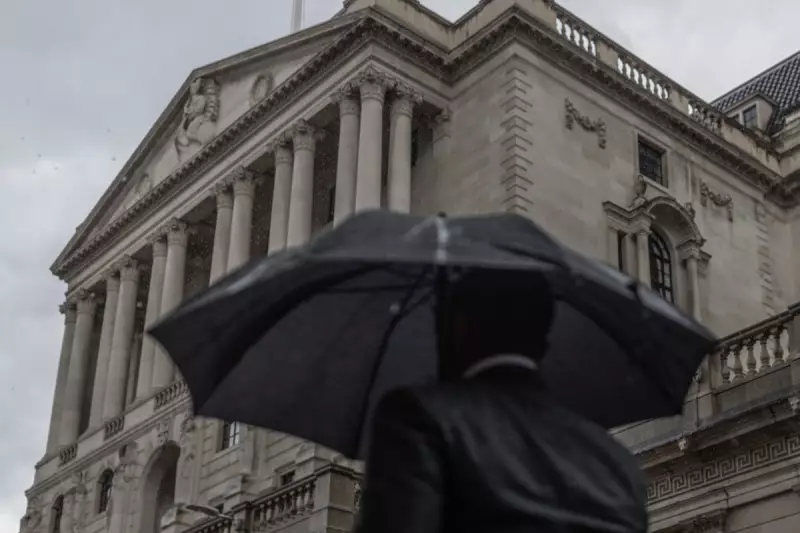
For three decades, the independence of central banks was considered a settled principle of modern economics. Technocrats, free from political cycles, were trusted to steer monetary policy for price stability. That foundational consensus is now visibly unravelling.
Political Pressure Mounts on Monetary Guardians
Global leaders, grappling with the electoral poison of persistent inflation, are increasingly challenging the autonomy of their central banks. When citizens feel poorer, politicians fear the consequences, making the monthly deliberations of unelected officials behind closed doors a target for intervention.
In the United States, Donald Trump has once again taken aim at the Federal Reserve. While former advisors Kevin Hassett and Kevin Warsh are frontrunners for Chair, Trump has orchestrated a prolonged public selection process, reminiscent of his reality TV catchphrase. The situation remains fluid: it is unclear if Jerome Powell will depart entirely after his term, who will replace the dovish Stephen Miran when his term ends in January 2026, or what will happen to Lisa Cook after Trump's attempt to remove her.
A Global Pattern of Intervention
Trump's behaviour is not new but has escalated. He previously blamed the Fed for rate hikes, and now his radical policy platform—featuring tighter immigration, higher tariffs, and a mix of stimulus and tax cuts—threatens to fuel inflation. This risk is compounded by issuing more government debt while simultaneously pressuring the central bank to cut rates, a heady concoction for financial markets to digest.
He is not alone. In Europe, President Emmanuel Macron recently told Les Echos that the European Central Bank's sole mandate should be rethought in light of geopolitics, arguing for a focus on growth and employment alongside inflation. The ECB has remained quiet, perhaps noting Macron's own political challenges with an election due in 2027.
In the UK, Chancellor Rachel Reeves has been keen to link government policy to the Bank of England's decisions. Before the Treasury Select Committee, she highlighted testimony from Deputy Governor Clare Lombardelli, claiming budget measures would reduce inflation by 0.4 to 0.5 percentage points next year. While a finance minister welcoming rate cuts is normal, the eagerness to associate with monetary decisions risks blurring a boundary carefully established since the Bank's independence in 1997.
The High Stakes of Undermining Independence
The timing of this pressure is critical. Inflation has only recently been tamed, global debt is high, and geopolitical risks are rising. Stability has never been more valuable. Markets can price in tough but predictable decisions; uncertainty over who is truly in charge generates a damaging risk premium.
While debate over the role of central banks is healthy, politicians directly reaching for the levers of monetary policy may find the economic machinery begins to shudder. Given that voters ultimately pay the price for market volatility, elected leaders should think carefully before demanding a seat at the table.