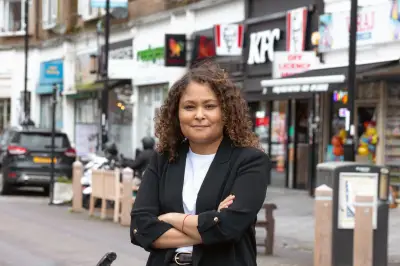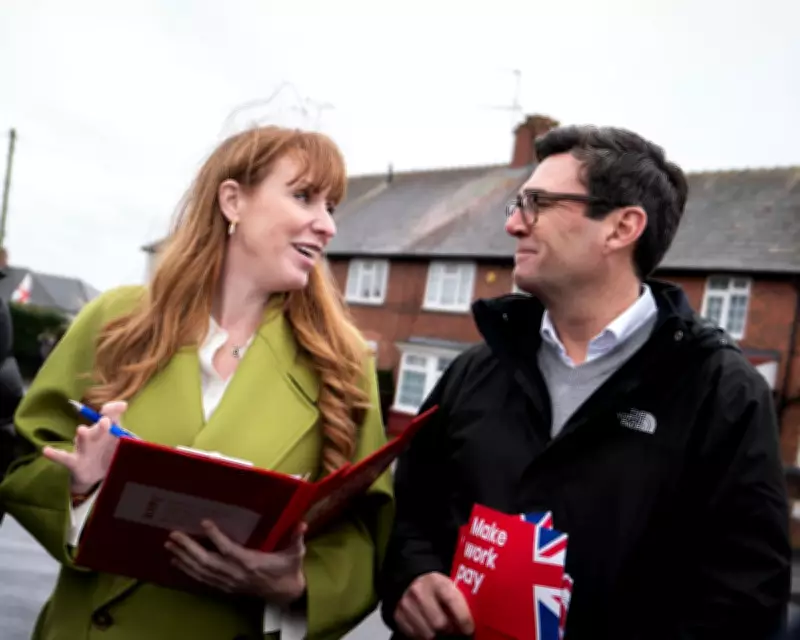
Angela Rayner and Andy Burnham are among the leading candidates to replace Keir Starmer as Labour leader after the local elections. Both are attempting to gain the confidence of bond markets amid concerns they could loosen fiscal rules if they succeed Starmer.
Local Elections Draw Market Attention
Thursday’s local and devolved government elections are unusually significant for the sovereign bond market. Speculation that a poor result for Starmer’s Labour party could trigger a leadership challenge has caught the attention of traders in UK government debt, known as gilts.
“Usually local elections should not be a market relevant event, but this has indeed become one,” said Sanjay Raja, chief UK economist at Deutsche Bank. “Mainly as the repercussions, not just from a leadership challenge, but also any changes to fiscal policy and any pressure on fiscal rules the chancellor had signed up to. That is what the market is really signed up to.”
Bond Yields Surge Amid Political Uncertainty
Global borrowing costs have risen sharply due to the Iran war, but the UK has stood out. The yield on 10-year UK government debt has risen above 5%, the highest since 2008, and 30-year debt yields have climbed to levels not seen since 1998. Investors cite Britain’s exposure to energy price shocks as a key factor, but political risk also plays a role.
Pollsters predict Labour could lose between 1,500 and 2,000 local councillors, with losses to Reform UK and the Greens. Control of the Welsh Senedd and setbacks in the Scottish parliament are also possible.
James Smith, an economist at ING, said: “Gilts are already under scrutiny due to inflation risks, and adding political uncertainty to the mix could further push [global] investors to look elsewhere.”
Potential Successors and Market Concerns
Bookmakers favour Angela Rayner as Starmer’s successor, followed by Andy Burnham, though he lacks a parliamentary seat. Ed Miliband, Wes Streeting, and Shabana Mahmood are also considered. Some candidates are viewed unfavourably in the City. Burnham previously argued that Britain was too “in hock to the bond markets,” triggering a rise in yields. He has since softened his stance in interviews with financial media.
One analyst said: “There’s been a realisation [in his camp] that there’s only so much talk you can give without being quite measured.” Another added: “It’s the kind of statement you’d make as you try to vie for the leadership, but once you’re in, and understand the role of markets in funding government debt, it’s a different story.”
Mark Dowding, chief investment officer at RBC BlueBay, said: “The starting point is there is a good deal of fear of a more leftwing agenda. It’s tax and spend. The concern in the market is, look, the tax take is already at a historic high level, government spending is very elevated – you don’t have room to push further in that direction.”
Limited Scope for Radical Change?
Despite fears, some investors believe any new leader would have limited room for a radical fiscal shift. “There is going to be inevitable discussion around the leadership. But I guess how much bad news is already baked into the cake?” said one City analyst. “The view in the leveraged community is that even if you get a change of leadership, does much change in the UK? They might not do very much.”
Starmer and Reeves’ Fiscal Strategy
Avoiding bond market provocation has been central to Labour’s strategy under Starmer and Chancellor Rachel Reeves. Reeves has pledged to maintain “ironclad” fiscal rules, even after raising taxes like employer national insurance. Her autumn budget aimed to coax gilt yields down to reduce Britain’s £100bn annual debt interest bill.
Reeves’ position as a bulwark against increased borrowing was cemented after a tearful Commons moment triggered a selloff. However, Burnham has suggested bending fiscal rules to allow more defence spending.
In the City, there is talk that any leadership contender could keep Reeves to smooth market concerns. One analyst said: “She could become a linchpin for the market. [A new leader] could say: ‘Yes, we will do more and think about policy’, but keep her in place, as the fiscal credibility that comes with her and her rules are inviolate.”
However, this view underestimates how intertwined Starmer and Reeves’ fortunes have become, and the desire of prime ministers to pick their own chancellor.
Burnham and Rayner’s Market Outreach
Burnham sparked a selloff when he ran for a byelection in January. Dowding warned: “If we were in a calm, benign market environment, maybe you could afford to disregard markets in such a way. But if you look at the macro backdrop... obviously we’re in a very strained position. The problem with his candidacy is that the gilt market would be very eager to take him at his word and test him out.”
Rayner has been wooing investors through meetings with BNP Paribas and Signum Global Advisors. One analyst said: “I do know some clients found her reasonably persuasive, reasonably impressive, and a lot more reasonable than they otherwise would have thought.”
Lessons from the Truss Era
Investors remain scarred by the gilt market meltdown after Liz Truss’s mini-budget. Raja noted: “Markets are much more cognisant of that kind of volatility [after Truss] and how it plays out. So there are a lot of watchful eyes as we go into the local elections at the potential worst outcomes for the leadership.”
For any rivals to Starmer, the challenge will be changing direction without provoking a repeat episode.