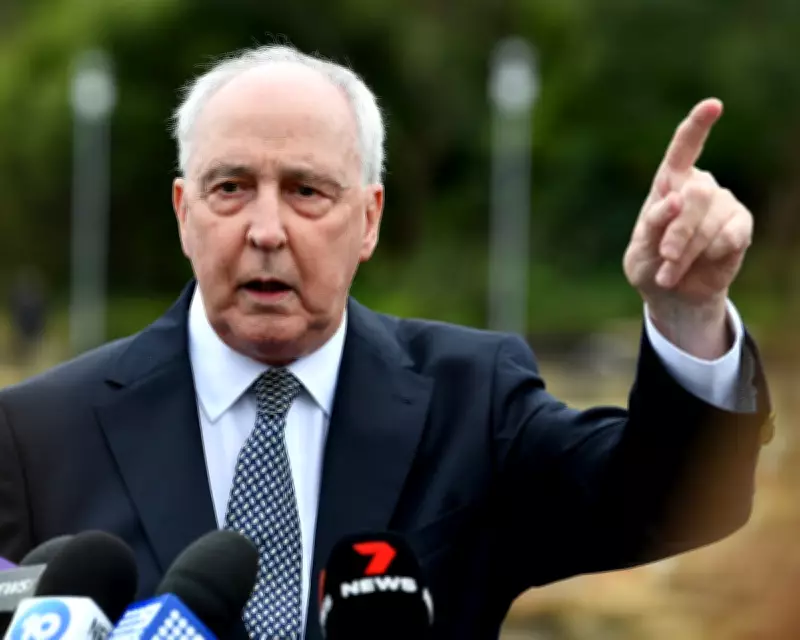
Former Australian Prime Minister Paul Keating has launched a blistering attack on the Labor government's budget, particularly its proposed changes to capital gains tax (CGT), labeling them as 'economic vandalism'. In a rare public intervention, Keating argued that the reforms would undermine investment and exacerbate the housing crisis.
Keating's Criticism
Keating, who served as prime minister from 1991 to 1996, said the CGT changes were 'ill-conceived' and would 'destroy wealth creation'. He claimed the government was 'tinkering' with the tax system without understanding the consequences for the broader economy. 'This is not reform; this is vandalism,' Keating told reporters in Sydney. 'It will hurt ordinary Australians who are trying to save for their future.'
Impact on Housing and Investment
The proposed changes include reducing the CGT discount for assets held longer than 12 months and tightening rules for investment properties. Keating warned that these measures would reduce the supply of rental housing and push up prices. 'Investors will flee the market, and renters will pay the price,' he said. The former leader also criticized the government for not addressing supply-side issues, such as planning restrictions and infrastructure bottlenecks.
Economists are divided on the impact. Some argue that the CGT changes will cool the overheated housing market, while others fear they could trigger a downturn. The budget also includes measures to boost affordable housing, but Keating dismissed these as 'too little, too late'.
Political Fallout
The attack from a Labor elder statesman has put Prime Minister Anthony Albanese on the defensive. 'I respect Paul's views, but we are focused on delivering a fairer tax system,' Albanese said. The opposition has seized on Keating's comments, accusing the government of internal division. Shadow Treasurer Jane Hume said, 'When a Labor icon condemns your policy, you know you've got it wrong.'
Keating's intervention is seen as a significant blow to the government, which has been struggling to sell its budget to the public. Polls show declining support for Labor, with many voters concerned about cost-of-living pressures. The CGT changes are scheduled to take effect from July 1, pending parliamentary approval.
Market Reactions
Financial markets have reacted nervously to the budget, with the Australian dollar falling and bond yields rising. Property stocks have also taken a hit. Analysts say uncertainty over the CGT changes is weighing on investor sentiment. 'The market hates uncertainty, and Keating's comments have added to the confusion,' said a senior economist at ANZ.
Despite the criticism, the government remains adamant that the reforms are necessary to address inequality and raise revenue for essential services. Treasurer Jim Chalmers defended the budget, saying it was 'responsible and fair'. 'We are making the tax system more efficient and ensuring that everyone pays their fair share,' Chalmers said.