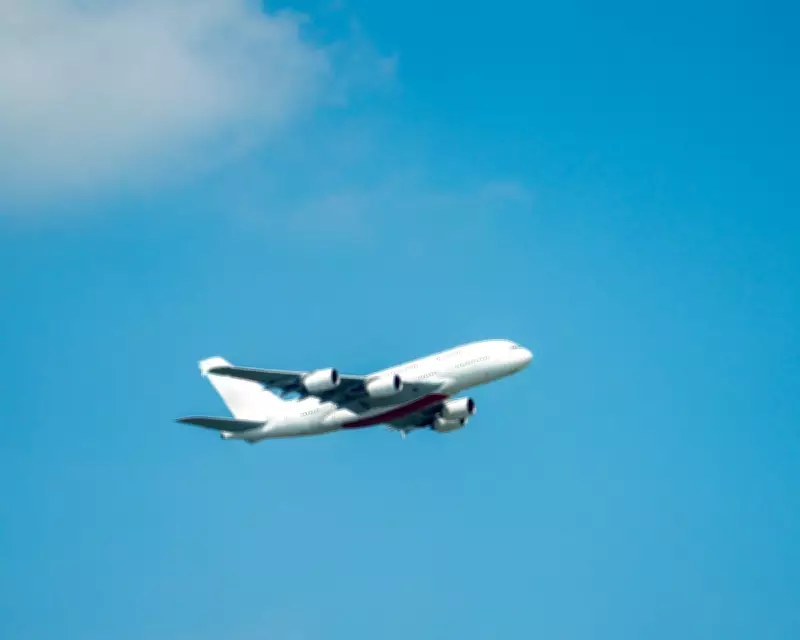
Only 20% of people have ever been on a plane, according to recent data. But a potential jet fuel crisis sparked by the ongoing war in Iran could reshape global travel and even world history. Jet fuel prices have doubled since the conflict began, raising questions about how severe the disruption could become and whether it might accelerate the transition to zero-emission aviation.
Could the World Run Out of Aviation Fuel?
While a complete global fuel shortage is unlikely, the situation is serious. Approximately 41% of European aviation fuel passes through the Strait of Hormuz, a critical chokepoint now threatened by the war. Market analysts Kpler reported that global shipments of jet fuel and kerosene fell below 2.3 million tonnes last week, the lowest on record. However, Richard Green, professor of sustainable energy business at Imperial College London, notes that the world uses about 100 million barrels of oil daily, with only 15 million passing through Hormuz. Alternative pipelines and production increases in other countries could offset some losses, reducing the real drop to 5-10 million barrels.
Refineries also have some flexibility to adjust the proportions of diesel, gasoline, and aviation fuel, though they cannot convert bitumen into jet fuel. The real risk, experts say, is not a complete shutdown but extreme price hikes. If the war continues until the end of June, all fuel stocks could be depleted, leaving no buffers. Even if the conflict ends tomorrow, it would take months to restore normal flows.
Impact on Airlines and Travelers
Lufthansa has already cut 20,000 flights, and Spirit Airlines has gone bust. Virgin Atlantic announced it cannot absorb higher fuel costs and will raise fares, while IAG, owner of British Airways, is making pricing adjustments. EasyJet launched a 'book with confidence' policy, guaranteeing no price increases after purchase, though this is only possible because it has hedged 70% of its fuel needs until September.
Travelers are delaying bookings, and smaller routes are expected to be cancelled first. Jenny Southan, founder of Globetrender, says the uncertainty is systemic, affecting routing, pricing, and confidence simultaneously. The Middle East is central to both geopolitics and aviation infrastructure, making the impact widespread.
Is There a Silver Lining?
Some experts see potential benefits. The crisis could accelerate the shift to sustainable aviation fuels (SAF) and hydrogen-powered aircraft. Prof. Rafael Palacios of Imperial College explains that synthetic fuels and hydrogen are viable alternatives but are currently 10 times more expensive than kerosene, which is effectively subsidized by not being taxed. The technology exists, but widespread adoption requires a quantum change in cost and global buy-in, likely taking 50 years.
In the short term, high oil prices may reduce carbon emissions as people adapt by taking trains, buying electric cars, or staying home. However, the crisis also harms lower-income countries dependent on Gulf commodities, disrupting agricultural seasons due to fertilizer shortages.
As Sheikh Ahmed Zaki Yamani famously said, 'The stone age did not end for lack of stone, and the oil age will end long before the world runs out of oil.' This crisis might be the catalyst needed to usher in a post-fossil-fuel era in aviation.