Japan's Economy Enters Contraction Phase
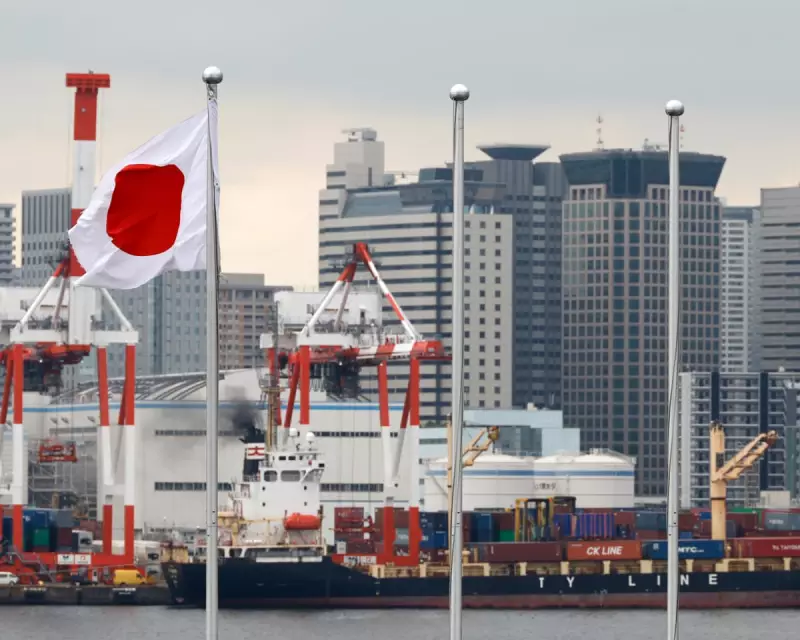
Japan's economy has recorded its first contraction in six quarters, with new official data revealing a significant downturn directly linked to ongoing global trade tensions. The world's third-largest economy shrank by 0.4% during the July-September quarter, marking a concerning reversal of recent growth trends.
US Tariffs Hammer Japanese Exports
The primary driver behind Japan's economic contraction has been a sharp decline in exports, which fell by 1.2% compared with the April-June quarter. More dramatically, exports were 4.5% lower than the same period last year, reflecting the substantial impact of tariffs imposed by the United States throughout this year.
This export slump follows President Donald Trump's threat in April to impose a new 25% tariff on Japanese goods at the US border. Although this was later reduced to 15% in July when both nations reached a trade agreement, the damage to export momentum had already been done.
Broader Economic Impact and Response
Beyond the export sector, Japan's domestic economy also showed weakness with private demand falling by 0.3% quarter-on-quarter. On an annualised basis, Japan's real gross domestic product contracted by 1.8% in the three months through September.
Despite this contraction being better than the 2.4% fall economists had anticipated, it may strengthen new Prime Minister Sanae Takaichi's argument for implementing an ambitious stimulus programme to revitalise economic growth.
Yoshimasa Maruyama, chief market economist at SMBC Nikko Securities, commented via Bloomberg that "Japan's economy was solid in the first half of this year and today's GDP showed that momentum is halted temporarily. I expect Japan's economy to be back on a moderate recovery trend going forward."
The White House has recently acknowledged the domestic impact of tariffs, with Trump lowering tariffs on food imports including beef, tomatoes, coffee and bananas last week amid growing concerns about rising costs for American consumers.