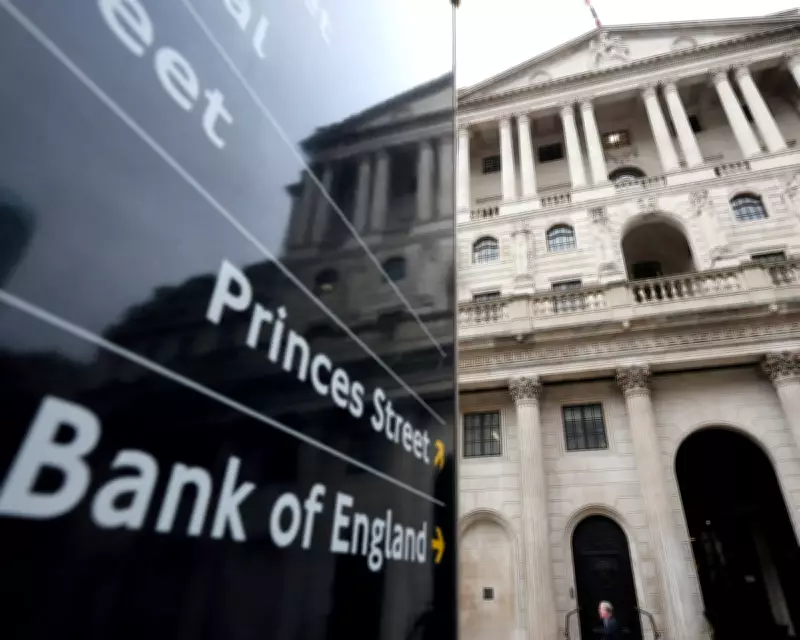
Financial analysts at the prominent Dutch banking group ING have issued a significant forecast, predicting that the Bank of England will implement two interest rate cuts by the summer of this year. This projection hinges on an anticipated sharp decline in UK inflation during the spring months, which could provide the necessary economic conditions for monetary easing.
Inflation Set to Tumble Below Target
According to ING's detailed analysis, headline inflation in the United Kingdom is expected to fall dramatically to just 1.8% by April. This represents a substantial drop from the 3.4% rate recorded in December 2023. Crucially, this projected figure would bring the consumer prices index (CPI) below the Bank of England's longstanding 2% target, marking a pivotal moment in the country's economic trajectory.
Key Drivers Behind the Expected Decline
Several factors are contributing to this optimistic inflation outlook. ING economists point to a combination of regulatory changes and market dynamics that should collectively ease the persistent cost of living pressures facing British households.
- Food inflation is forecast to slow from its previously elevated levels, providing relief to grocery budgets across the nation.
- Energy bills are expected to drop in April when regulator Ofgem next adjusts the price cap, potentially reducing household expenditure on heating and electricity.
- Water bill increases are projected to be smaller than in previous years, lessening another fixed cost burden.
- Rental growth is anticipated to slow, offering some respite to tenants facing housing affordability challenges.
Rate Cut Timeline and Economic Implications
James Smith, ING's developed markets economist, has outlined a clear timeline for monetary policy adjustments based on these inflation projections. We forecast inflation will drop to 1.8% in April before hovering at the 2% target through the spring and summer, Smith explains. What's more, we think roughly 0.8 percentage points of the decline from December's reading is virtually locked in – an artefact of regulated price changes and tax changes.
This analysis suggests that a significant portion of the expected inflation decrease is already effectively predetermined by upcoming regulatory adjustments, rather than being subject to unpredictable market fluctuations. As such, ING expects the Bank of England's Monetary Policy Committee to feel sufficiently confident to implement an initial interest rate cut in March, followed by a second reduction in June.
These potential rate cuts would represent a notable shift in monetary policy direction after a prolonged period of tightening aimed at combating high inflation. For consumers and businesses alike, lower interest rates could translate to reduced borrowing costs, potentially stimulating economic activity and investment.
Broader Economic Context
The ING forecast arrives at a critical juncture for the UK economy, which has been grappling with persistent inflationary pressures alongside sluggish growth. While the Bank of England has maintained a cautious stance, emphasizing the need for sustained evidence of inflation returning to target, this analysis suggests that clearer signals may emerge in the coming months.
Market observers will be closely monitoring upcoming inflation data releases to assess whether they align with ING's projections. The accuracy of these forecasts could have significant implications for financial markets, mortgage rates, and broader economic planning across both public and private sectors.