New official data reveals that UK inflation slowed to 3.6% in October, marking the first decline since March and providing some relief for households and policymakers alike.
Energy Costs Drive Inflation Downward
The Office for National Statistics reported that the Consumer Prices Index dropped from 3.8% in September to 3.6% in October, largely matching economists' expectations. The decrease was primarily driven by weaker housing effects, particularly from energy bills.
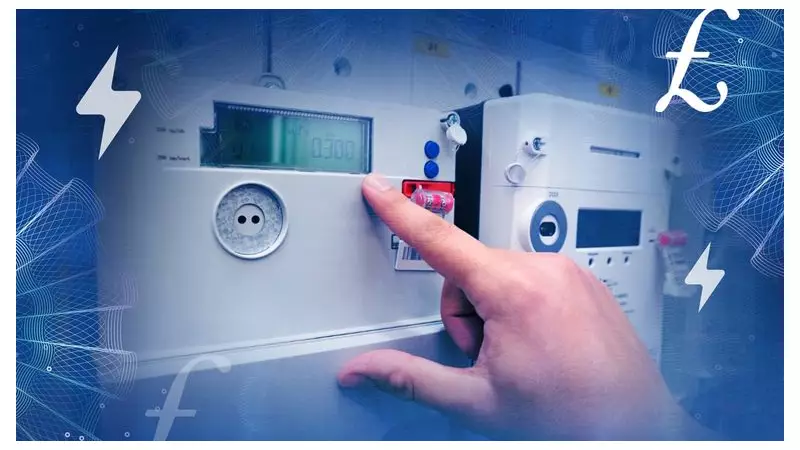
ONS chief economist Grant Fitzner explained: "Inflation eased in October, driven mainly by gas and electricity prices, which increased less than this time last year following changes in the Ofgem energy price cap. Hotel costs also contributed to the downward trend."
Food Inflation Poses Ongoing Challenge
Despite the overall decline, food inflation accelerated from 4.5% to 4.9%, presenting continued pressure on household budgets. The ONS noted that rising food prices partially offset the benefits from lower energy costs.
Multiple factors are driving food price increases, including:
- High global demand for chicken
- Shrinking UK cattle herds pushing up beef costs
- Poor cocoa and coffee harvests affecting chocolate prices
Supermarkets, among the country's largest employers, have been passing on increased costs from April's budget measures, including higher employer national insurance contributions and minimum pay levels imposed by Chancellor Rachel Reeves.
Bank of England's Delicate Balancing Act
The mixed inflation picture creates a complex scenario for the Bank of England's Monetary Policy Committee. While October's data showed the first inflation decline since March, persistent food price pressures and rising business costs threaten to slow the pace of interest rate cuts.
The Bank's most recent forecasts indicate that inflation won't return to the 2% target until early 2027, suggesting a prolonged period of economic adjustment.
Recent economic indicators show:
- Unemployment rising to 5% from 4.8%
- Wage growth continuing its gradual decline
- Economic output slowing to just 0.1% in the third quarter
Financial markets expect the Bank to implement a quarter-point interest rate reduction next month, despite the 5-4 vote earlier this month to maintain rates at 4%.
Chancellor Rachel Reeves responded to the figures: "This fall in inflation is good news for households and businesses across the country, but I'm determined to do more to bring prices down." She promised measures in the upcoming budget to address NHS waiting lists, national debt, and the cost of living.
Additional concerns include potential fuel price increases, with the AA reporting that UK fuel prices are nearing their highest level in seven months. Rumours suggest the Chancellor might remove the 5p fuel duty cut implemented by the previous Conservative government.