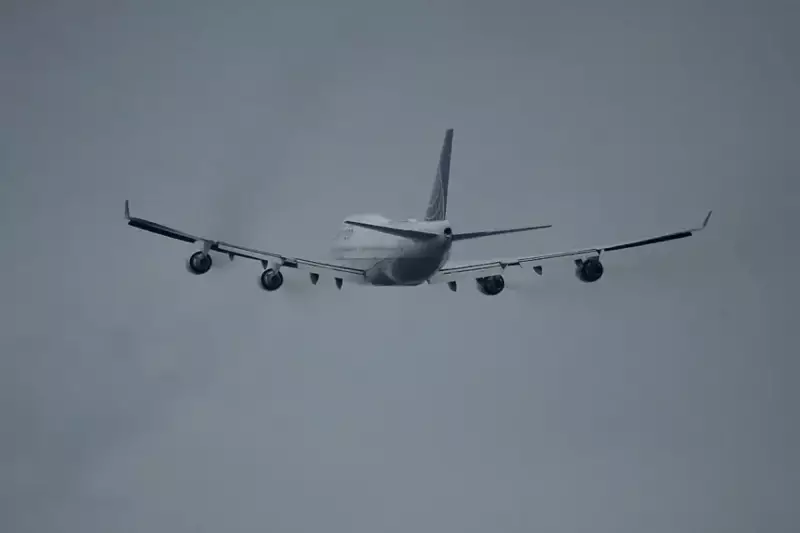
British households are facing renewed pressure on their finances as inflation is predicted to have inched higher at the end of last year, primarily due to soaring airfare costs and increased tobacco duty.
Economists Forecast December CPI Rise
A Bloomberg survey of economists indicates that the Consumer Price Index (CPI) inflation rate for the year to December 2025 is expected to hit 3.3 per cent. This represents a slight increase from November's figure of 3.2 per cent, dampening hopes for a rapid slowdown in price growth.
Analysts point to the pre-Christmas travel rush and new tobacco duty hikes that took effect in December as the key drivers behind the anticipated uptick. This comes after a lower-than-expected November reading had spurred optimism about quicker interest rate cuts.
Bank of England's Delicate Balancing Act
The Bank of England reduced interest rates to 3.75 per cent at the end of December, with its next Monetary Policy Committee decision scheduled for early February. While a further cut next month is not widely anticipated, policymakers are expected to monitor inflation trends closely, with sustained falls potentially prompting more monetary loosening throughout the year.
Sanjay Raja of Deutsche Bank, who forecasts a December inflation rate of 3.4 per cent, noted that the broader downward trend for price growth remains "largely intact." He suggested headline CPI inflation is likely to move towards the Bank's 2 per cent target from spring, particularly after April's energy price adjustments.
Data Timing Adds Uncertainty to Figures
City economists have highlighted that the official inflation figure, due for release by the Office for National Statistics (ONS) on Wednesday morning, could be influenced by the timing of data collection. James Moberly, an economist at Goldman Sachs, explained that the measurement date for December prices could fall on either the 9th or 16th of the month, creating a "close call" for the final result.
"Uncertainty around the final inflation result is 'very high'," Moberly warned, noting that if data was collected later in the month, it would capture steeper rises in airfares. Goldman Sachs predicts annual inflation could rise to slightly below 3.3 per cent.
In addition to travel and tobacco, data from the British Retail Consortium indicated a slight increase in food prices, adding another layer of pressure on the cost of living.
Political and Economic Landscape
Prime Minister Keir Starmer has sought to keep the focus on the cost of living, directly linking potential US tariff threats from President Trump to the potential "damage" for UK working people. Economists caution that a full-blown transatlantic trade war could lead to rising prices for consumers and small businesses, disrupting the UK's disinflation process.
The week ahead is set to be busy with key economic data, including ONS updates on the jobs market and public finances. The developments will be closely watched by investors and policymakers alike, especially with global leaders gathering in Davos against a backdrop of renewed geopolitical trade tensions.