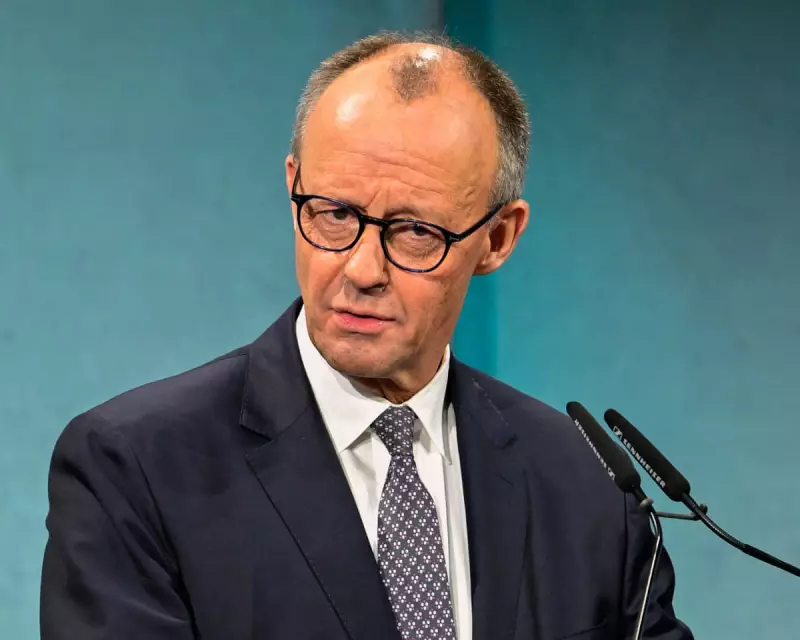
Six months into the premiership of Chancellor Friedrich Merz, a familiar sense of economic anxiety has returned to Germany, accompanied by the first murmurings of political rebellion.
Initial Optimism Fades
Last March, financial markets across Europe experienced a significant surge of optimism following a historic deal brokered by Friedrich Merz, then Germany's chancellor-elect. The agreement loosened constitutional spending constraints, specifically the country's famous 'debt brake', in the European Union's economic powerhouse. This move was widely seen as the fiscal kickstart needed to end a prolonged period of economic stagnation and counter formidable geopolitical headwinds blowing from the United States and China, particularly with Donald Trump's return to the White House and his aggressive trade policies.
The Ambitious Plan and Its Stumbling Blocks
Chancellor Merz's ambitious plan included 'whatever it takes' levels of defence spending, designed to prepare Germany for an era where the US is no longer a dependable ally. It also promised a massive €500 billion investment in national infrastructure and the green transition. However, the initial optimism has been short-lived. The chancellor's own team of economic advisers recently downgraded growth forecasts for 2026 to below 1%. With business confidence slumping ahead of what would constitute a fourth year of near-flatlining growth, the economic mood has darkened considerably.
Political Consequences and Wider Implications
The growing disillusionment presents a severe problem not just for Chancellor Merz and his centre-right-led coalition but for mainstream German politics as a whole. As the far-right Alternative für Deutschland (AfD) party tops the polls, fewer than one in five Germans wish to see Mr Merz stand again at the next federal election. Germany finds itself at the sharp end of a wider geopolitical storm, where Russia's war in Ukraine, aggressive Chinese competition, and Trump's trade wars have collectively undermined its export-led economic model. While Merz correctly recognised that these exceptional times required a bold fiscal response, he now faces pressure from critics to rein in social spending to boost competitiveness—a potential reversion to type for the former Black Rock supervisory board member known as a fiscal hawk.
For Germany and Europe, the current imperatives are to revive a battered social model and turbocharge investment for a multipolar global economy. Falling back on the failed economic orthodoxies of austerity, which initially empowered the far-right, is not a viable path forward. As the scale of the challenges becomes clearer, Germany cannot afford to go back to the future.