The closure of the Strait of Hormuz has severely disrupted global fertiliser supplies, driving up costs for UK farmers by as much as 70%, according to Mark Preston, executive trustee of the Grosvenor Group. This disruption is expected to have a dramatic effect on global food prices next year.
Impact on UK Agriculture
Preston stated that fertiliser was already costly before the Iran war began in late February, but prices have since surged between 50% and 70%. The effective closure of the Strait of Hormuz, a critical shipping route, has throttled global supplies of fertiliser essential for crop production. However, UK crops this year are unlikely to be affected as most fertiliser had already been applied. The knock-on effect is expected to materialise in the next growing season.
"Farmers are not buying that fertiliser; they are sitting on their hands and hoping things will improve, which they probably won't," Preston warned. He noted that farmers might shift to more spring cropping next year instead of winter cropping, providing some flexibility.
Global Food Security Concerns
The magnitude of food price increases will depend on when the Strait of Hormuz reopens. About 1,600 vessels are currently stranded in the passage. Preston emphasised that the concern over food and fertiliser is at least as significant as that over oil, as there are fewer alternative sources for nitrogen used in fertiliser production. The closure has also cut off flows of liquefied natural gas, a key input for nitrogen-based fertilisers like urea.
These remarks follow warnings from the head of Yara International, the world's largest fertiliser company, about potential food shortages and price rises in vulnerable African communities.
Grosvenor Group's Position
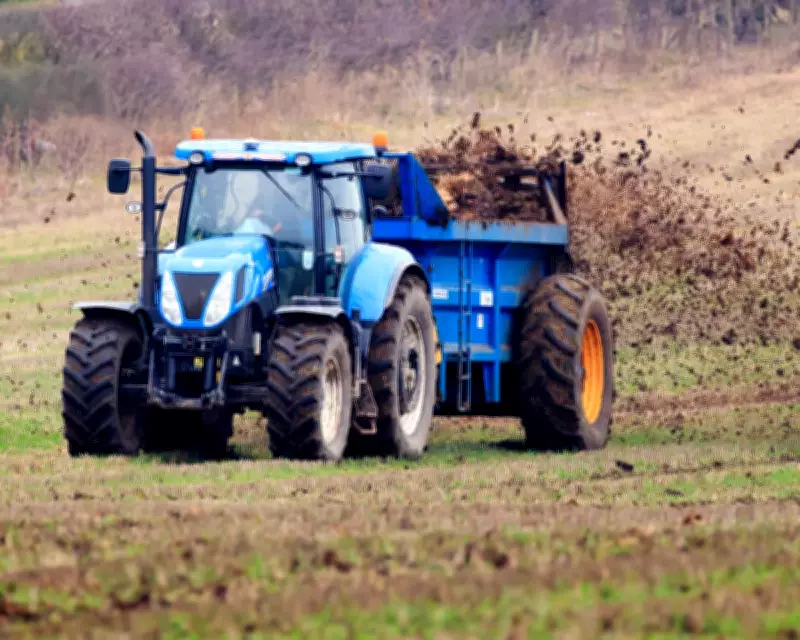
The Grosvenor Group, controlled by the Duke of Westminster, owns one of the UK's leading farms in Cheshire, producing millions of litres of milk for Tesco and Müller. The company's impact from the crisis is limited as it relies on cow dung where possible. Meanwhile, a recent Opinium poll found that 80% of Britons are worried about rising grocery prices.
Grosvenor reported an 18% decrease in underlying profits to £70.5 million last year, partly due to North American operations. Its UK property business remains strong, with 97% occupancy. The group is also investing in flexible office space and social housing, with plans to build 700 social homes in north-west England.