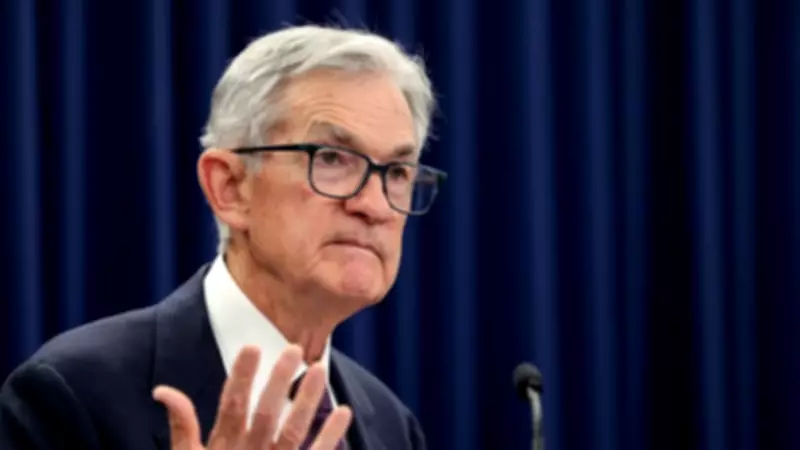
The Federal Reserve has voted to maintain its current interest rate levels, resisting significant political pressure from former President Donald Trump to implement cuts. This decision marks a pivotal moment in the ongoing tension between the central bank's independence and White House influence over monetary policy.
Rate Decision Amid Political Pressure
On Wednesday 28 January 2026, the US central bank announced it would keep its key lending rate between 3.5% and 3.75%. This comes despite repeated calls from Donald Trump to lower borrowing costs, which he argues would make mortgages and other loans more accessible to Americans. The Fed justified its stance by stating that economic activity has been expanding at a solid pace, suggesting that immediate rate cuts are unnecessary at this juncture.
Economic Indicators and Fed Stance
In its official statement, the Federal Reserve highlighted several key economic metrics:
- Job gains have remained low, with the unemployment rate showing signs of stabilisation.
- Inflation remains somewhat elevated, though the Fed is committed to returning it to its 2% target.
- The central bank reaffirmed its strong commitment to supporting maximum employment while managing price stability.
This decision follows three rate cuts implemented last year, which were partly influenced by growing pressure from the White House. However, the current economic landscape appears to have shifted, prompting the Fed to adopt a more cautious approach.
Trump's Influence and Fed Leadership
Donald Trump is expected to announce a replacement for Fed Chair Jerome Powell soon, as Powell's term concludes in May. The president has frequently criticised Powell for not reducing interest rates quickly enough, leading to a public feud since Trump's second term began. This tension underscores the broader conflict between political agendas and central bank autonomy.
Potential Replacements and Internal Dynamics
Two Fed officials voted in favour of an interest rate cut, indicating some internal dissent:
- Christopher Waller is under consideration by the White House to replace Jerome Powell.
- Stephen Miran, who is on leave from his role on Trump's Council of Economic Advisers, also supported a cut.
Meanwhile, Jerome Powell faces additional scrutiny, as the Fed has received subpoenas from the Justice Department regarding a criminal investigation into his congressional testimony about a $2.5 billion building renovation. This legal matter adds another layer of complexity to the leadership transition.
Political Backlash and Fed Independence
Economists suggest that Trump's efforts to pressure the Fed may have inadvertently strengthened support for its independence. Republicans in the Senate have voiced backing for Jerome Powell and threatened to block any replacement chair nominated by Trump, highlighting the political risks of interfering with monetary policy.
Patricia Zobel, head of macroeconomic research at Guggenheim Investments, noted, The last couple of weeks have been pretty positive for Fed independence. This sentiment reflects a growing consensus that central bank autonomy is crucial for economic stability, even amidst political turbulence.
Recent Controversies and Broader Context
The White House previously attempted to remove Lisa Cook from the Fed's board, alleging mortgage fraud—a claim she denied and which resulted in no criminal charges. Such incidents illustrate the ongoing challenges faced by Fed officials in maintaining their roles amid political crossfire.
As the 2026 economic landscape evolves, the Federal Reserve's decisions will continue to be closely watched, balancing inflation control, employment goals, and external pressures. This latest rate hold signals a firm stance on independence, setting a precedent for future monetary policy debates in the United States.