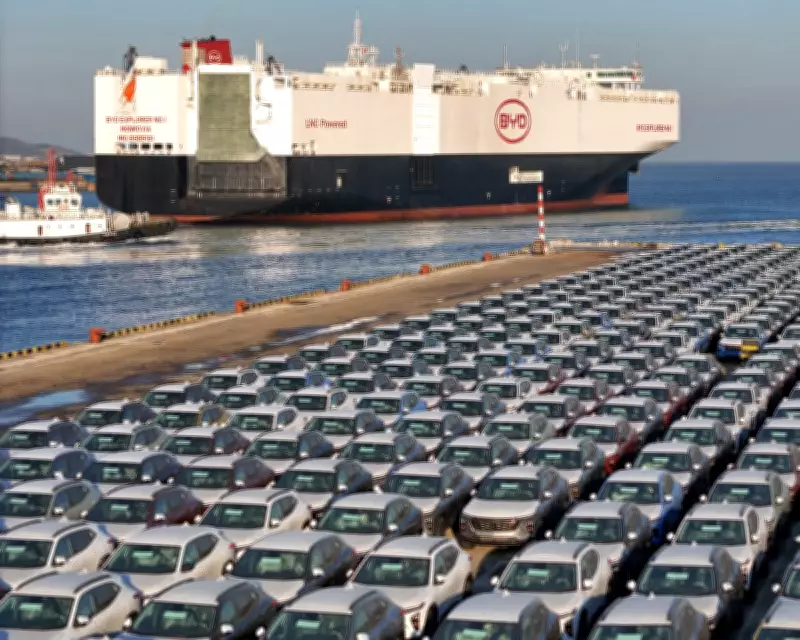
The European Union is preparing to hold discussions on imposing restrictions on Chinese imports, driven by mounting fears that the bloc has become overly dependent on Chinese goods. The talks, which are expected to take place in the coming weeks, signal a significant shift in the EU's trade policy as it seeks to reduce strategic vulnerabilities and bolster economic resilience.
Background of the Debate
The debate comes amid a broader reassessment of the EU's economic relationship with China. Over the past two decades, trade between the two powers has grown exponentially, with China emerging as the EU's largest trading partner for goods. However, the COVID-19 pandemic and geopolitical tensions have exposed the risks of this deep interdependence, particularly in critical sectors such as technology, pharmaceuticals, and raw materials.
EU officials have increasingly voiced concerns that overreliance on China could undermine the bloc's strategic autonomy. A senior EU diplomat stated, "We cannot continue to be so dependent on a single country for essential goods. It is a matter of economic security."
Proposed Measures
While the exact nature of the restrictions is still under discussion, several options are on the table. These include imposing tariffs on certain Chinese products, strengthening anti-dumping measures, and introducing stricter rules for foreign investments that could threaten EU security. Another proposal involves diversifying supply chains by encouraging trade with other partners, such as India, Vietnam, and Latin American countries.
The European Commission is expected to present a formal proposal later this year, which will then be debated by member states. Any final decision will require a qualified majority vote, meaning that consensus among the 27 member states will be crucial.
Divergent Views Among Member States
Not all EU countries are on the same page regarding the proposed restrictions. Some member states, particularly those with strong economic ties to China, such as Germany and Hungary, have expressed caution. They argue that hasty restrictions could harm European businesses and provoke retaliation from Beijing.
On the other hand, countries like France and Poland have been more vocal in supporting tougher measures. They contend that the EU must act decisively to protect its economic sovereignty. A French official remarked, "We cannot afford to be naive. The current situation is untenable."
Potential Impact on Trade Relations
The discussions come at a delicate time for EU-China relations. China has already warned against any protectionist measures, stating that they could damage bilateral trade and lead to a trade war. In response, EU officials have emphasized that their goal is not to decouple from China but to reduce excessive dependencies.
Analysts suggest that the outcome of these talks could have far-reaching implications for global trade. If the EU moves forward with restrictions, it could set a precedent for other Western economies, including the United States, to adopt similar measures. Conversely, a more moderate approach could signal that the EU is willing to maintain its open trade stance despite rising protectionist pressures.
Next Steps
The EU is expected to hold a series of meetings over the next few months to refine its strategy. The final decision will likely be made in the autumn, after thorough consultations with industry stakeholders and international partners.
As the debate unfolds, all eyes will be on Brussels to see how the EU balances its economic interests with its strategic goals. The outcome will not only shape the future of EU-China trade but also define the bloc's role in an increasingly fragmented global economy.