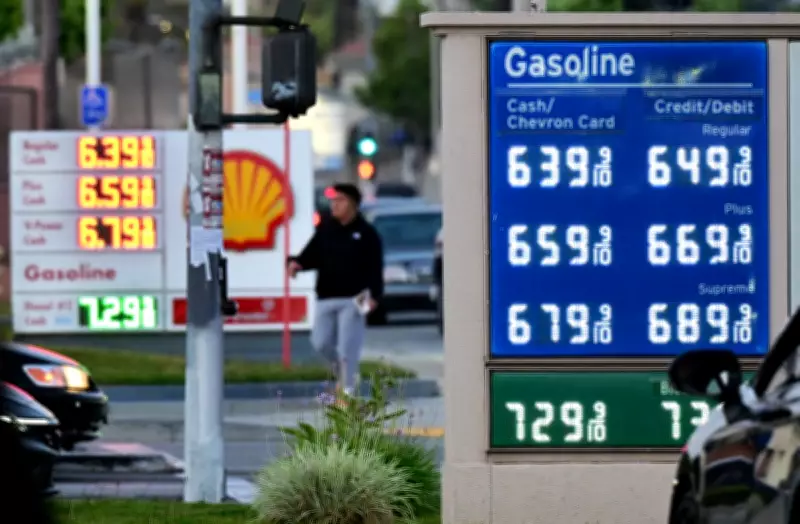
Uncertainty looms as the last oil tanker from the Middle East arrives in California, where gas prices already exceed $6 per gallon. The New Corolla, carrying about 2 million barrels of crude oil from Iraq, docked in Long Beach this week. It was the last planned shipment to pass through the Strait of Hormuz before the US-Israeli war with Iran disrupted global oil markets.
Supply Concerns
The California Energy Commission vice-chair, Siva Gunda, told legislators that the state can meet fuel demand for the next six weeks with current supplies. However, California imports about a third of its oil from the Gulf and now must find new sources. Compared to other states, California relies more heavily on foreign oil imports.
While oil prices have risen in recent weeks, the current supply has not yet been severely affected because oil already in transit when the conflict began has continued to arrive. Michael Ross, a professor at UCLA, explained to ABC7 that the war and the closing of the Strait of Hormuz have been buffered by tankers already at sea. He warned that this last shipment marks the end of that buffer, which should worry consumers.
Price Surge
The American Automobile Association reported the national average gas price at $4.54 on Tuesday, while California's average hit $6.16—the highest in nearly four years. The US-Israeli war with Iran has significantly disrupted global oil markets and driven up prices worldwide.
Gas prices are a major topic in California politics, including during Tuesday's gubernatorial debate. Democratic candidates blamed Donald Trump's war in Iran for the surge, while Republican Steve Hilton pointed to California's regulations. Governor Gavin Newsom criticized Trump, noting that gas prices have risen more nationwide than in California since the war began. He said, 'No plan. No exit strategy. And Americans are paying the price every day.'
Market Reactions
On Wednesday, stock markets surged and oil prices fell after Trump stated that if Iran agrees to a deal, the war would end and the Strait of Hormuz would reopen. Meanwhile, economic data from the Federal Reserve Bank of New York shows that rising fuel prices have hit low-income Americans hardest, with lower-income households reducing gas consumption but still spending more at the pump.