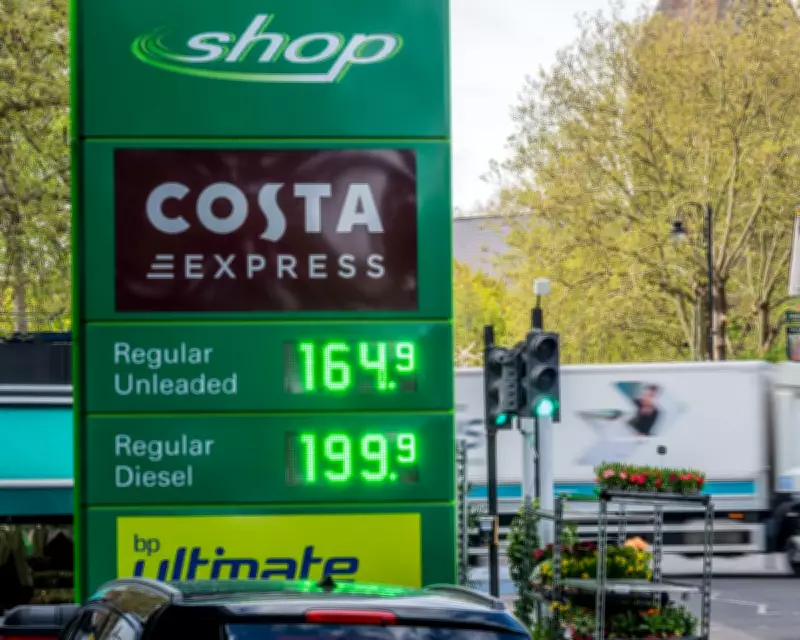
BP has reported a dramatic doubling of its first-quarter profits, buoyed by the sharp rise in oil prices triggered by the ongoing conflict with Iran. The energy giant's underlying replacement cost profit, the industry standard measure, surged to $8.4 billion in the first three months of 2026, up from $4.2 billion in the same period last year.
Strong Performance Despite Geopolitical Risks
The results exceeded analysts' expectations, who had forecast profits of around $7.5 billion. BP's strong performance was underpinned by higher oil and gas prices, which have soared since the outbreak of hostilities in the Middle East. Brent crude, the international benchmark, has averaged above $90 a barrel in the first quarter, compared to $75 a year earlier.
BP's chief executive, Murray Auchincloss, highlighted the company's resilient operational performance and its ability to generate strong cash flow even in a volatile environment. He stated, 'Our disciplined approach to capital allocation and our focus on delivering value for shareholders have enabled us to navigate these uncertain times effectively.'
Market Reaction and Shareholder Returns
Investors welcomed the news, with BP's shares rising 2.5% in early London trading. The company announced a $2.5 billion share buyback program for the next quarter, up from $1.75 billion previously, and maintained its dividend at 7 cents per share. BP also reported net debt falling to $22.3 billion, its lowest level in a decade.
However, the surge in profits has reignited debate about windfall taxes on energy companies. The UK government has already imposed a 35% windfall tax on North Sea oil and gas producers, and there are calls for it to be extended or increased. BP has paid £1.2 billion in UK taxes in the first quarter, up from £800 million a year ago.
Outlook and Industry Context
Looking ahead, BP cautioned that the geopolitical situation remains highly uncertain, with potential for further volatility in oil prices. The company maintained its production outlook for the year, expecting flat output compared to 2025. BP also reiterated its commitment to its energy transition strategy, with plans to increase investment in low-carbon energy to $5-7 billion annually by 2030.
The broader energy sector has also benefited from the price surge. Shell and TotalEnergies are expected to report strong earnings later this week. The rally in oil prices has been driven by supply disruptions from Iran and fears of a wider conflict affecting major shipping routes in the Strait of Hormuz.
Despite the positive results, some analysts warn that the high oil prices could dampen global economic growth and fuel inflation, potentially leading to central banks maintaining higher interest rates for longer. The IMF has already downgraded its global growth forecast for 2026, citing geopolitical tensions and energy market disruptions.