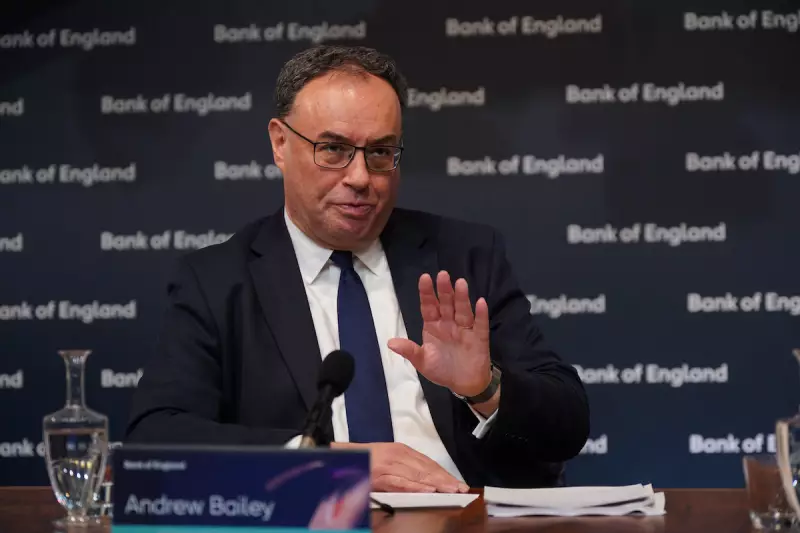
The Bank of England's anticipated decision to cut interest rates in mid-December could be a much tighter vote than financial markets currently expect, according to leading economists.
Market Expectations Versus MPC Reality
Markets have heavily priced in a reduction of 25 basis points at the upcoming Monetary Policy Committee (MPC) meeting, which would bring the main rate down to 3.75 per cent. This expectation is driven by data showing a continued fall in inflation, which last stood at 3.6 per cent.
However, economists at Oxford Economics, Andrew Goodwin and Edward Allenby, caution that internal divisions on the committee could make the outcome a "closer call". They point to recent survey data from the Bank itself, indicating firms plan to raise pay faster than before and still believe price growth will exceed the 2 per cent target for the next three years.
The Hawkish Resistance and Bailey's Decisive Role
This data may embolden hawkish MPC members, such as chief economist Huw Pill and external member Catherine Mann, who have advocated keeping rates higher for longer to fully "squeeze out" inflationary pressures.
"As has been the case in two of the past three meetings, the decision will come down to which group Governor Andrew Bailey sides with," Goodwin and Allenby stated. They noted that while Bailey has indicated a bias to cut soon, neither recent fiscal policy nor economic data have provided a decisive reason for him to commit.
Fresh inflation data published just before the December meeting could become the "decisive factor" in the final vote.
Broader Economic Context and Forecasts
The debate occurs against a complex backdrop. Some MPC members worry that sustained high borrowing costs are damaging jobs growth, especially with unemployment at a post-pandemic high of five per cent. This could dampen consumer demand and help lower prices.
City forecasts for the future path of rates vary widely:
- Analysts at firms like Capital Economics, KPMG, JP Morgan, HSBC, and UBS take a dovish view, with some predicting rates could fall to 3 per cent by the end of 2026.
- In contrast, Pantheon Macroeconomics believes rates should be held at 4 per cent for the foreseeable future.
Despite their base case favouring a cut in December, the Oxford Economics team concluded: "We are much less confident in that outcome than markets appear to be." The stage is set for a tense and uncertain decision on borrowing costs for millions.