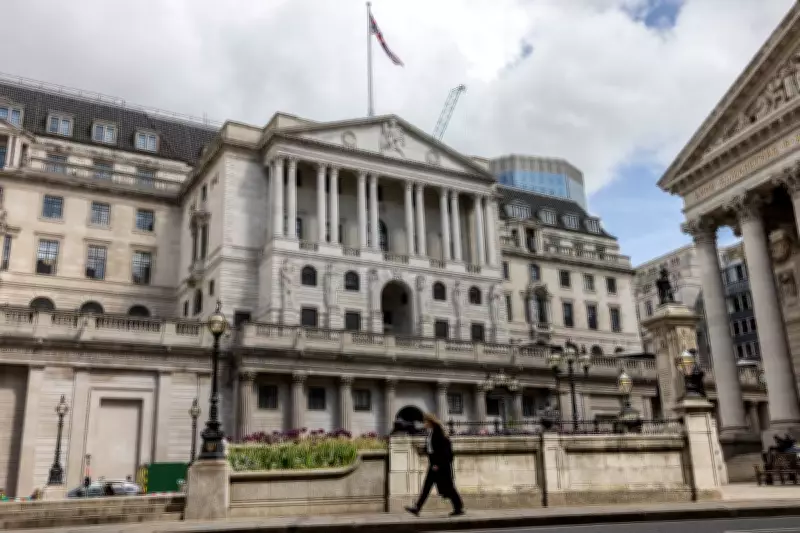
The Bank of England is poised to announce its decision on interest rates this Thursday, with widespread anticipation that rates will remain unchanged at 3.75 per cent. This move comes amid persistent concerns over inflation, particularly in sectors like food prices, which continue to challenge the UK economy.
No Signal for Accelerated Rate Cuts
In a cautious approach, the Bank is expected to refrain from indicating a faster pace of interest rate cuts in the coming months. This decision aims to address ongoing issues in the jobs market without sending mixed signals to financial markets regarding monetary policy direction. Economists have expressed worries that premature signals could lead to market volatility and confusion.
Market Expectations and Economic Forecasts
Financial markets are largely predicting that the next potential rate cut of 25 basis points will not occur until April. This timeline aligns with expected regulatory changes in energy pricing, which are projected to help bring inflation down. The Bank will also release its first monetary policy report of the calendar year alongside the rates decision, offering fresh insights into economic conditions.
The upcoming report is likely to include detailed research on how recent Budget policies have influenced price growth. Additionally, it will feature new analysis on the impact of President Trump's tariffs on global trade dynamics, providing a broader context for the UK's economic outlook.
Diverging Views on Trade and Inflation
Rate-setter Alan Taylor has suggested that trade diversion from China into the UK has contributed to lowering prices domestically. However, separate research from Bank staff, published on a blog platform, indicates that the UK has not experienced a faster decline in goods prices from Chinese trade compared to other nations, highlighting the complexity of global economic interactions.
Hawkish Tone Expected from Bank Officials
Kathleen Brooks, research director at XTB, noted that investors will be closely monitoring updates on wage growth and unemployment forecasts. She emphasised that comments from governor Andrew Bailey on inflation will be crucial in clarifying the likelihood of near-term rate cuts.
Brooks stated, "His comments are likely to solidify the Bank of England's resolve to keep rates on hold, with no rate cut expected until April, when inflation is expected to have moderated, and wage pressure is also expected to start to wane." She added that a hawkish-sounding message could boost the pound, though US dollar weakness remains a key factor in foreign exchange markets.
Economists' Perspectives on Rate Trajectory
Panmure Liberum economist Simon French commented on the uncertainty surrounding how low interest rates might go this year. After advocating for a faster pace of cuts in 2025, he acknowledged the rationale for a gradual approach.
"Whilst we would have preferred to have seen six 25 basis point cuts during 2025 – to get ahead of overly restrictive financial conditions weighing on demand – we can understand the rationale for gradualism," French said. He pointed out that UK inflation became an international outlier in 2025, necessitating a responsive monetary policy, even if the causes were not directly linked to loose monetary measures.
Overall, the Bank of England's upcoming announcement is set to reinforce a steady monetary stance, balancing inflation concerns with economic stability as the UK navigates ongoing financial challenges.