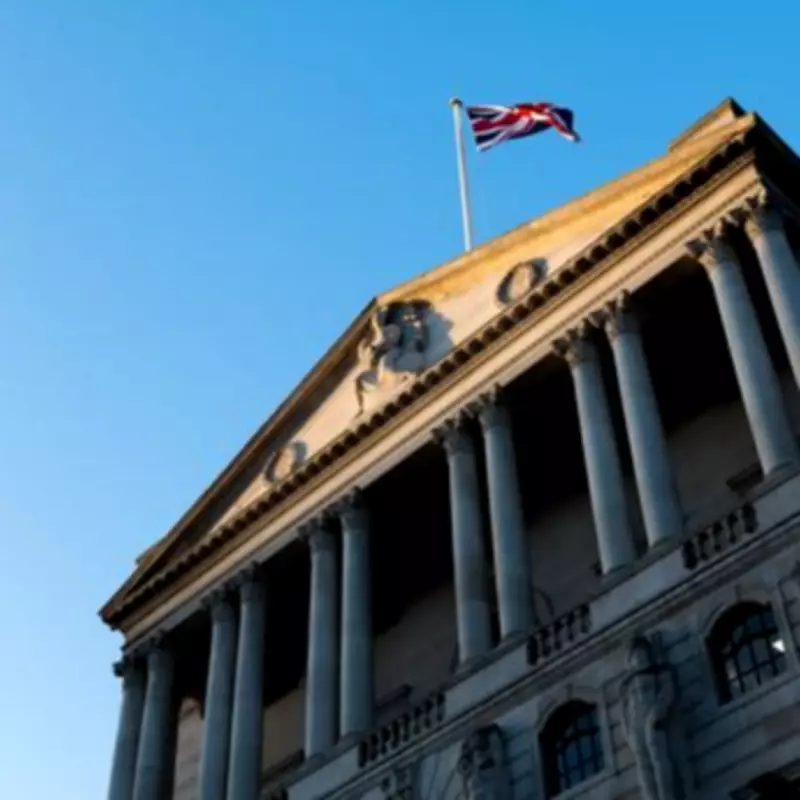
Bank of England Maintains Interest Rates at 3.75% Amid Economic Caution
The Bank of England has announced its decision to hold interest rates steady at 3.75 per cent, as revealed in its latest monetary policy update on Thursday, February 5, 2026. This move comes as the central bank carefully balances the dual objectives of controlling inflation and fostering economic growth during a period of significant financial uncertainty.
Inflation Targets and Future Rate Cuts
Governor Andrew Bailey emphasised that the bank's primary goal is to maintain inflation around the target level of 2 per cent. He expressed confidence that inflation would decrease to this target by Spring, suggesting that if economic conditions remain favourable, there could be scope for further reduction in the bank rate later this year. This statement provides a cautiously optimistic outlook for borrowers and investors alike.
Most economists had accurately anticipated that the Monetary Policy Committee would keep rates unchanged, following a slight rebound in inflation to 3.4 per cent in December from 3.2 per cent in November. The MPC had previously implemented a rate cut from 4 per cent to 3.75 per cent before Christmas, marking the fourth reduction of 2024. Bailey had earlier warned that any future cuts would be a closer call, highlighting the delicate nature of current economic decision-making.
Downgraded Growth Forecasts and Rising Unemployment
In a concerning development, the Bank of England has revised its economic growth projections downwards. The forecast for 2026 has been reduced from 1.2 per cent to 0.9 per cent, while the 2027 outlook has been adjusted from 1.6 per cent to 1.5 per cent. These downgrades reflect ongoing challenges within the UK economy, including sluggish productivity and global market pressures.
Additionally, the central bank issued a stark warning regarding unemployment, predicting that the rate will climb to 5.3 per cent this year. This represents a significant increase from the previous estimate of a peak at 5.1 per cent in November, indicating potential labour market weaknesses that could impact household incomes and consumer spending.
Expert Predictions and Future Monetary Policy
Financial experts are now speculating that the next interest rate cut is likely to occur in April. This timing would allow policymakers to assess more comprehensive data on pay settlements and economic slack, providing a clearer picture of the underlying economic conditions. The Bank of England's cautious approach suggests that future decisions will be heavily data-dependent, with a focus on sustainable economic recovery.
The announcement underscores the complex environment facing the UK economy, where policymakers must navigate between stimulating growth and containing inflationary pressures. Stakeholders across various sectors will be closely monitoring upcoming economic indicators to gauge the potential impact of these monetary policy decisions.