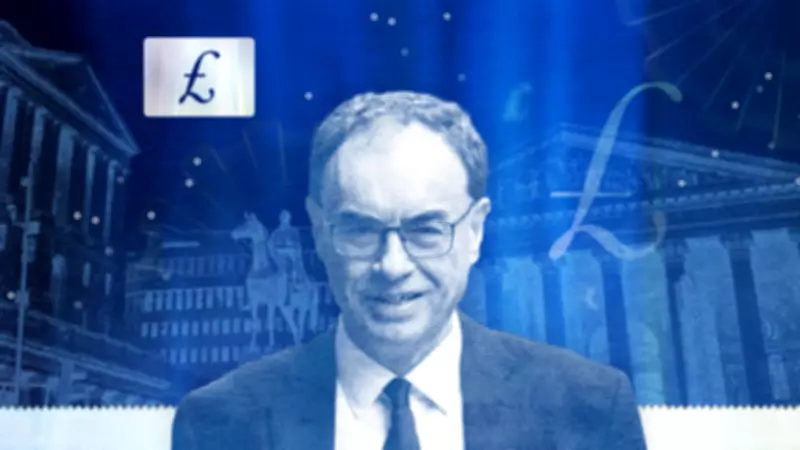
In a significant development for the UK's financial landscape, Bank of England Governor Andrew Bailey has strongly indicated that interest rate reductions are now on the horizon, with a spring cut appearing increasingly probable. This shift comes as the Monetary Policy Committee (MPC) opted to maintain the base rate at 3.75%, a decision that, while expected, revealed deeper insights into the central bank's evolving stance.
A Closer-Than-Expected Vote and Clear Forward Guidance
The MPC's latest meeting resulted in a 5-4 vote in favour of holding rates, a narrower margin than many analysts had anticipated. This division underscores the ongoing debate within the Bank about the timing and pace of monetary easing. Governor Bailey, however, left little room for ambiguity in his subsequent remarks, stating unequivocally that further cuts are now "likely". This represents a notable departure from the previously cautious messaging, which emphasised a "slowly and carefully" approach to lowering borrowing costs since the rate-cutting cycle began in August 2024.
Economic Factors Driving the Shift
Two primary economic indicators are underpinning this more dovish outlook. Firstly, the Bank has revised its inflation forecast downward significantly, projecting a drop from the current 3.4% to the 2% target by spring. This rapid disinflation is a critical factor easing pressure on the MPC. Secondly, the UK economy continues to exhibit weakness, with the Bank lowering its GDP growth forecast for the year to 0.9% and raising its unemployment expectation to 5.3%. This sluggish performance is contributing to a more accommodative policy environment.
While Chancellor Rachel Reeves may receive credit for budgetary measures—such as cuts to energy bills, rail fares, and fuel duty—which are estimated to have reduced inflation by 0.5 percentage points, the Bank remains vigilant about persistent inflationary risks. Additionally, concerns are mounting that weaker labour demand, partly fuelled by increases in employer national insurance contributions and the minimum wage, is dampening overall demand and household spending.
The Governor's Pivotal Role and Future Implications
With Governor Bailey casting the decisive vote for the second consecutive meeting and the MPC's opposing blocs remaining unchanged, his assessment of the balance between inflation risks and economic growth will be crucial in the coming months. The Bank's decision, while keeping a "toe on the brake" of monetary policy for now, signals a readiness to lift it soon, transitioning the debate from "if" to "when" rates will fall. This development is poised to impact mortgages, savings, and broader economic confidence across the UK.