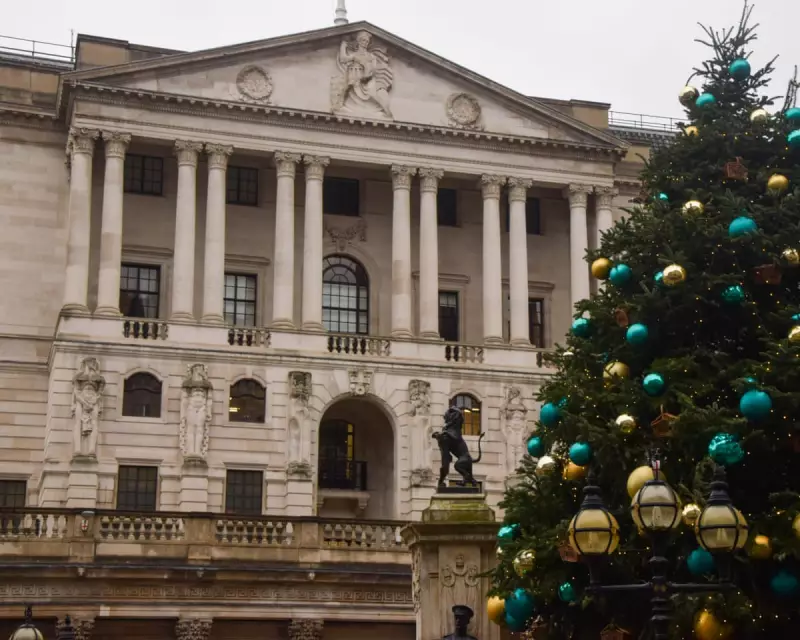
The Bank of England has delivered a pre-Christmas boost to the UK's struggling economy, cutting interest rates for the sixth consecutive time. The Monetary Policy Committee (MPC) voted to reduce the base rate from 4% to 3.75%, a move widely anticipated by financial markets.
A Divided Committee on the Path Ahead
While the decision to cut was expected, it has exposed a significant rift among the Bank's policymakers regarding the future. The nine-member committee was split, with five members, including Governor Andrew Bailey, backing the reduction. However, the remaining four members dissented, believing the endpoint for rate cuts may already have been reached.
Governor Bailey acknowledged the tightening path ahead, stating: "We still think rates are on a gradual downward path. But with every cut we make, how much further we go becomes a closer call." This division centres on conflicting views about the persistence of inflationary pressures in the UK economy.
Inflation Outlook: Reasons for Optimism and Caution
The case for further easing is supported by a pronounced slowdown in headline inflation, which fell to 3.2% in November. The economy is also showing little growth momentum, with the Bank estimating it likely flatlined in the final quarter of the year, while unemployment is rising.
Furthermore, measures announced by Chancellor Rachel Reeves in last month's Autumn Budget—including relief on energy bills and rail fares—are expected to cut headline inflation by around 0.5 percentage points from the second quarter of next year. This could bring inflation close to the Bank's 2% target a year earlier than previously forecast.
Underlying Wage Pressures Pose a Risk
Despite these positive signs, several MPC members remain concerned about underlying domestic inflation, particularly wage growth. The Bank's agents estimate that pay settlements next year will be around 3.5%, a level considered too high to be consistent with sustainably meeting the 2% inflation target.
There are also warnings that government policies, such as a higher living wage and new employment rights, could add to business costs. The MPC estimates these measures may add between 0.1 and 0.2 percentage points to inflation in 2027 and 2028, potentially forcing companies to raise prices.
For the government, the rate cuts provide short-term political relief and a defence of its economic stewardship. The immediate focus in Downing Street will be on ensuring the fall in inflation during 2026 helps to prevent so-called "second-round effects," where high inflation becomes embedded in wage and price-setting behaviour.
Most economists still anticipate at least one further rate cut next year, contingent on weaker growth and continued evidence of slowing underlying inflation. However, as Governor Bailey indicated, the window for further reductions is narrowing, and the end of the current easing cycle is now firmly in sight.