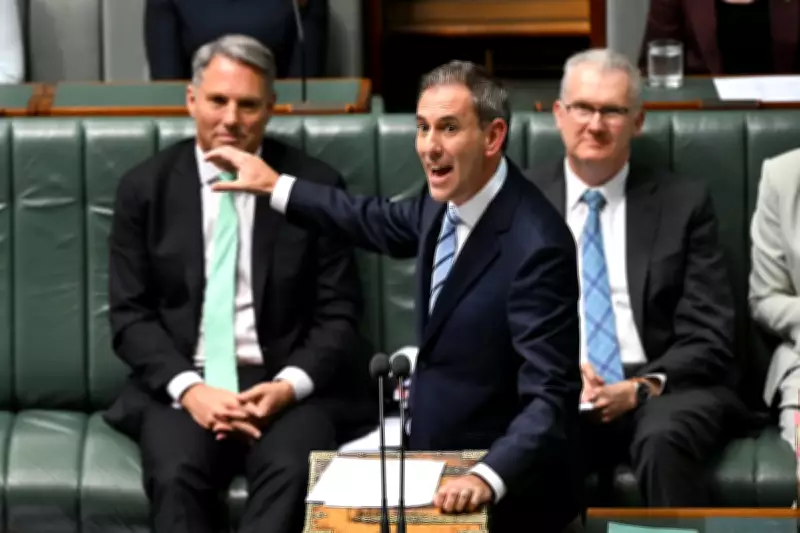
Australia's latest federal budget has come under fire for failing to adequately address the growing inequality that leaves many Australians behind. Treasurer Jim Chalmers delivered a message aimed at those struggling, but critics argue the budget lacks the structural reforms needed to close the widening gap between rich and poor.
Budget Priorities Under Scrutiny
The budget, touted as a blueprint for a fairer future, includes targeted cost-of-living relief and investments in housing and healthcare. However, economists and social advocates point out that these measures are insufficient to reverse decades of growing disparity. “The budget does little to address the systemic issues that perpetuate inequality,” said Dr. Sarah Johnson, an economist at the Australian National University.
Cost-of-Living Relief
Among the key measures are increased welfare payments and tax cuts for low- and middle-income earners, along with additional funding for affordable housing. While these steps provide short-term relief, experts warn they do not tackle the root causes of inequality, such as stagnant wages and the erosion of social safety nets.
Investment in Public Services
The budget also allocates funds for healthcare and education, but critics argue these investments are not enough to meet growing demand. “Without comprehensive reform of the tax system and a stronger focus on wealth redistribution, the budget is merely a sticking plaster,” said Mark Davis, a policy analyst at the Grattan Institute.
Political Reactions
Opposition leaders have slammed the budget as a missed opportunity, accusing the government of prioritizing political survival over meaningful change. Meanwhile, some within the government defend the budget as a responsible approach given economic constraints.
Long-Term Outlook
Looking ahead, the budget projects a return to surplus in the coming years, but this is largely due to commodity price spikes rather than sustainable economic management. “The real test will be whether the government can implement policies that ensure prosperity is shared more equitably,” said Dr. Johnson.
As Australia grapples with the aftermath of the pandemic and global economic uncertainty, the challenge of addressing inequality remains pressing. The budget may offer some solace, but for many Australians left behind, the message is clear: much more needs to be done.