The Albanese government has announced a drastic scaling back of the beleaguered inland rail project, abandoning plans to connect country New South Wales and Queensland by rail as the price tag blows out to more than $45bn. Originally envisioned to run 1,700km from Melbourne to a port near Brisbane, the mega infrastructure project will now only connect Beveridge, on the outskirts of Melbourne, to Parkes in central-west New South Wales — about half the distance.
Funding Reallocation and Cost Overruns
The government is reallocating $1.75bn of the project’s funding to other national rail upgrades. The cost has increased more than 50% in just three years since Dr Kerry Schott was commissioned by Labor in 2023 to independently review the project. Schott estimated the project would be completed by 2031 and cost upwards of $31.4bn — a doubling of the previous estimate — which she called “astonishing”, adding she was not confident on the figures. Further independent costings, commissioned by Inland Rail, found the project would now take until 2036.
End of the Inland Rail Vision
The decision will effectively see the end of the Inland Rail vision, though the government is still seeking environmental and state approvals and preserving areas of land where the project is intended to be built, through northern NSW and south-eastern Queensland. Delivering the freight link to Parkes will allow double-stacked freight trains to run west to Perth and east to Newcastle from Beveridge. The government now expects construction between Parkes and Beveridge to be completed in late 2027.
The Coalition announced the project in 2017, with an estimated cost of $9.3bn. In 2020, the project’s estimated cost increased to $16.4bn, with a completion date of 2026-27. Schott’s 2023 review had pointed to “immature preliminary designs and approval requirements”, prolonged approval processes and “recent escalations” as reasons for the blowouts.
Government Response and Future Plans
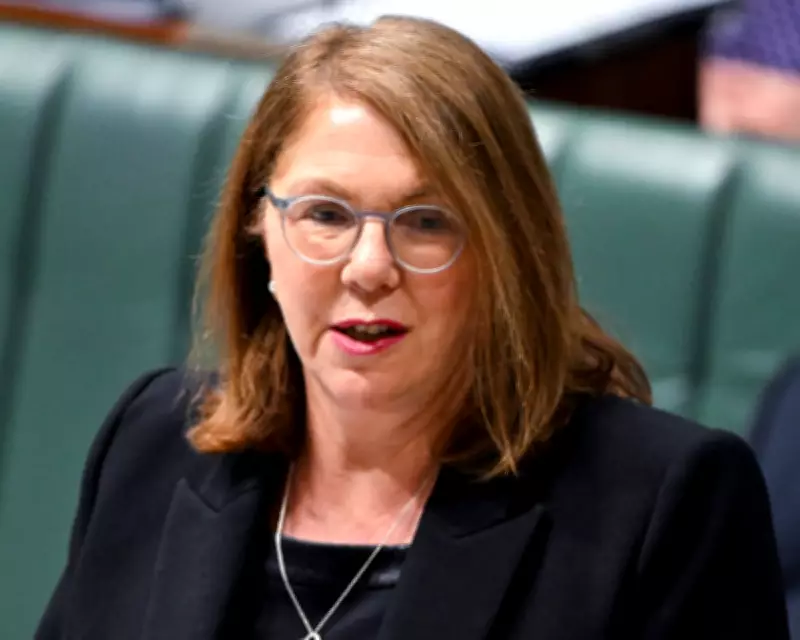
The government had budgeted just $14.5bn towards the freight link, and by abandoning half of the track while reallocating a portion of the funding will deliver a small improvement to the budget bottom line. In 2024, then Inland Rail chief executive Nick Miller insisted the project was not “stalled” and that the government was still committed to the northern half. Transport Minister Catherine King has said repeatedly the government was “concentrating” on delivering the link between Melbourne and Parkes, but had remained committed to building the entire 1,700km line.
On Tuesday, King said the $1.75bn of reallocated funding was critical, and followed “decades of underinvestment in the network”. “The 2023 independent review found major deficiencies in the governance and delivery of Inland Rail by the Liberals and Nationals,” she said. “We are taking sensible decisions to realign the future of Inland Rail and build a safe, efficient and reliable network for the future.”
Labor has also announced a new chair and chief executive of Inland Rail, after Schott criticised the board and subcommittee of Inland Rail, accusing them of not having “adequate skills to oversee this project”. Dr Collette Burke has been appointed chair of the board, with Dr Sean Sweeney to take over as chief executive. King said the $1.75bn will go to upgrades to the east coast network and the east-west corridor to improve high risk flood-prone sections. An additional $55m will be spent to incentivise companies to shift from using road freight to rail or cargo ships.