An Australian poster designer is suing Shopify for allegedly refusing to take down online 'ghost stores' he says imitated his website and stole his work. The case represents a rare attempt to hold global platforms accountable for hosting scam digital storefronts.
Legal Action Against Shopify
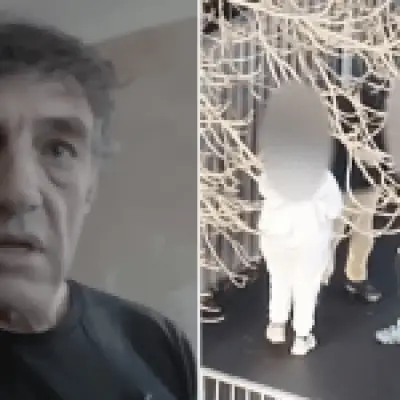
Ryan Billington, 20, launched copyright infringement proceedings in the federal circuit court in Brisbane earlier this month against the multinational e-commerce company and two websites he alleges copied 'substantially all' his designs. The court action targets Shopify directly, rather than the operators of the clandestine sites, who may not be located in the countries they claim to be.
In court documents, Billington describes the websites he alleges copied his own as similar to the ghost stores that the Australian Competition and Consumer Commission (ACCC) last year urged Shopify and Meta to take action to stop.

Ghost Stores and Their Impact
Ghost stores exist only in a digital sense and often present themselves as legitimate brands to dupe customers. Billington, who runs the online shop radialposters.com from his home in New Zealand, alleges the 'scam websites' that copied his site delivered only electronic jpeg files to customers, rather than actual posters.
Billington lodged 45 infringement notices with Shopify about the alleged copycat sites clutchposters.com and audibleposters.com before taking court action, court documents show. Despite original creative works being automatically protected by copyright law in Australia, making a claim of copyright infringement is not necessarily straightforward.
Alleged Copyright Violations
Billington raised with Shopify 3,929 instances in which clutchposters.com and audibleposters.com allegedly copied his designs, according to his statement of claim filed with the court on 13 May. On 23 April, Billington's solicitor contacted Shopify's legal counsel, requesting the websites be taken down. According to court documents, Shopify never responded.
Court documents list three people as secondary respondents who had claimed to be the UK-based operators of clutchposters.com and audibleposters.com on the websites. However, Billington alleges these are false names used by the people who set up the websites that imitated his own.
Websites Taken Down After Lawsuit
Both of the allegedly infringing websites appeared to have been taken down as of Friday, nine days after Billington filed the lawsuit and the day after Guardian Australia asked Shopify about the case. Guardian Australia was not able to contact clutchposters.com or audibleposters.com for comment. Shopify declined to comment on the record.
Billington told Guardian Australia his work had been 'systematically copied' and sold 'on a massive scale' and that it had been stressful and frustrating trying to get help from Shopify. He said he provided the company with ownership evidence including original Photoshop project source files but continued to receive 'legal template responses'.
Previous ACCC Warnings
In July last year, the ACCC issued a rare public warning after an investigation by Guardian Australia identified more than 140 ghost stores, which were built using Shopify's e-commerce software. The ACCC confirmed it had received responses from Meta and Shopify after writing to them about the issue, but refused a freedom of information request for the letters, in part because the companies did not want them made public.
Shopify, a Canadian multinational, has not previously responded to Guardian Australia's repeated requests for comment about the ghost stores issue.