The cryptocurrency market has experienced another devastating collapse, with more than $1.2 trillion evaporating from digital assets in just six weeks. This brutal sell-off has returned bitcoin to prices not seen since April, with the world's largest cryptocurrency briefly falling below $90,000 this week after losing nearly a third of its value since October's peak.
The Structural Flaws in Crypto Valuation
Understanding cryptocurrency requires recognising its fundamental lack of economic value. Unlike traditional investments, crypto generates no income, commands no productive capacity and pays no dividends. It lacks the backing of state money, which benefits from tax bases and fiscal authorities. What sustains cryptocurrency prices is purely psychological: the expectation that someone else will validate today's valuation tomorrow.
When market sentiment turns negative or investors withdraw funds, there's nothing to prevent cryptocurrencies from plummeting. Prices don't experience gradual corrections; they undergo complete collapses. This inherent volatility led UK MPs in 2023 to correctly identify cryptocurrency trading as a form of gambling - a classification the Conservative government rejected at the time.

Britain's Unique Vulnerability to Crypto Fallout
While the current crash is global in scope, Britain stands uniquely exposed to its consequences. The Financial Times reported that investors worldwide are retreating from speculative assets amid concerns about AI valuations and US interest rates. However, no other major economy has so thoroughly eroded social mobility while simultaneously promoting the myth of entrepreneurial escape to its youth.
This combination makes Britons more likely to invest in cryptocurrency than their European counterparts. Regulators express particular concern about the number of young people turning to crypto, often using borrowed money in hopes of achieving life-changing wins. Britain has effectively become a one-shot society, where stagnant wages and unaffordable housing leave millions desperate for any escape route, no matter how illusory.
The Political Exploitation of Economic Desperation
The mentality driving crypto investment perfectly mirrors Eminem's lyrics in Lose Yourself: "If you had one shot, or one opportunity to seize everything you ever wanted... would you capture it?" For generations locked out of traditional asset ownership, cryptocurrency is marketed as that single transformative moment.
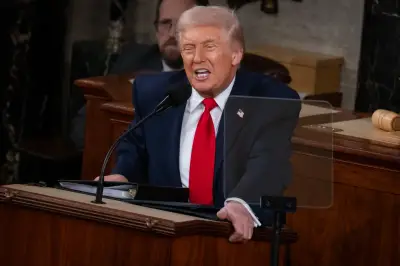
This economic symbolism hasn't been lost on the political right, who've transformed the crisis into an opportunity. Having previously dismissed bitcoin as "based on thin air," Donald Trump now embraces his role as "crypto president." Under his influence, cryptocurrency has become an unprecedented machinery of patronage, deregulation and self-enrichment in modern American politics.
Joe Biden's attempts to regulate crypto businesses - important given their demonstrated vulnerability to fraud and money laundering - have been systematically undermined. Meanwhile, right-wing figures globally, from Argentina's Javier Milei to Britain's Nigel Farage, aggressively promote cryptocurrency. This allows them to position themselves as insurgent alternatives to a "rigged" system while accepting anonymous digital donations and aligning with Trump's agenda.
Rather than representing the end of politics in money, cryptocurrency has become the latest mechanism enabling the powerful to profit from the powerless. The current crash exposes not just the fragility of digital assets, but the deeper economic fractures in British society that make such speculative gambling appear to be the only way out for many.