
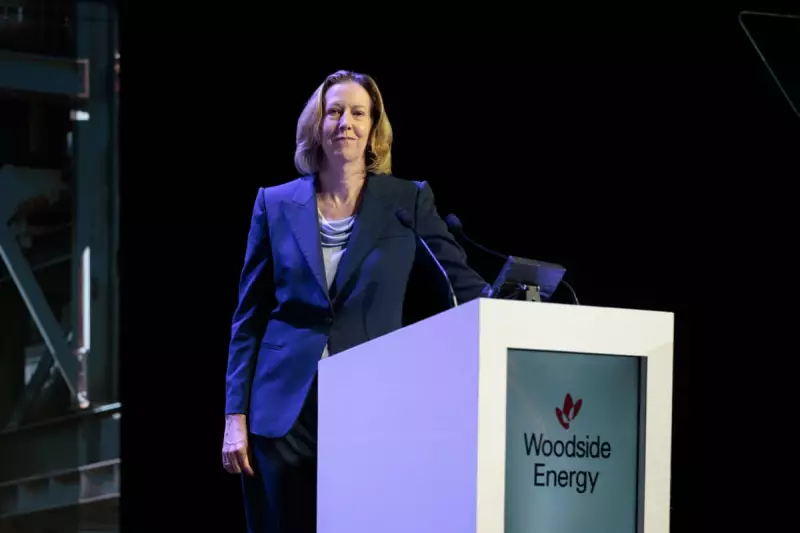
In a major corporate shift for the global energy sector, Meg O'Neill, the chief executive of Australian gas giant Woodside Energy, has been appointed to lead one of the world's largest oil and gas companies, BP. The move comes after a tenure at Woodside marked by significant environmental protests and her own controversial comments about young climate activists.
From Perth to London: A Controversial Tenure Ends
BP announced on Thursday that O'Neill would take over as its chief executive officer from 1 April 2025, succeeding Murray Auchincloss. O'Neill joined Woodside, Australia's largest oil and gas producer, in 2018 and was appointed CEO in 2021. Her leadership saw the company through major projects but also consistent opposition from climate campaigners.
Woodside's chair, Richard Goyder, credited O'Neill with leaving the company "in a strong position," highlighting her role in guiding the merger with BHP Petroleum, the final investment decision on the $16.5bn Scarborough energy project, and the startup of the Sangomar project. He noted that the company's performance under O'Neill resulted in approximately $11bn in dividends paid to shareholders since 2022.
Clashes with Activists and a Pivot to Fossil Fuels
O'Neill's time at the helm was defined by friction with environmental groups. Protesters targeted Woodside's annual general meetings, and in February, activists were fined over a foiled protest at O'Neill's family home in Perth. Her final months also saw Woodside successfully lobby the Australian government to extend its controversial North West Shelf gas project for an additional 40 years, until 2070.
O'Neill drew particular attention for her criticism of younger generations. At an industry conference in May, she suggested it was hypocritical for young people with an "ideological, almost zealous view" against fossil fuels to then "happily" order cheap goods from online retailers like Shein and Temu without considering the carbon impact.
The environmental footprint of Woodside's operations is substantial. Company documents show the sale and burning of its gas emitted 74 million tonnes of CO2 in 2024. The Scarborough project has been criticised by scientists who warn it could expose over half a million people to unprecedented heat.
BP's Strategic Reversal and a New Leadership Direction
O'Neill's move to BP signals a consolidation of a strategic pivot back to fossil fuels. Earlier this year, the British energy giant broke from its net zero emissions strategy. Under Auchincloss, BP announced it would increase investment in oil and gas to $10bn (£7.9bn) a year while cutting more than $5bn from its previous green investment plan, arguing optimism for a fast energy transition was "misplaced."
O'Neill's appointment places a leader known for defending fossil fuel expansion at the head of a company openly ramping up production. Her new role will involve overseeing BP's expanded fossil fuel investments, including significant projects like the $18bn Louisiana LNG project, which Woodside recently approved and climate advocates warn would export gas until the 2070s.
Back at Woodside, Liz Westcott has been appointed acting CEO, effective immediately, with an annual salary of $1.803m including superannuation. Meanwhile, two separate legal challenges have been filed against the North West Shelf extension, setting the stage for continued conflict over fossil fuel projects in Australia and beyond.




