
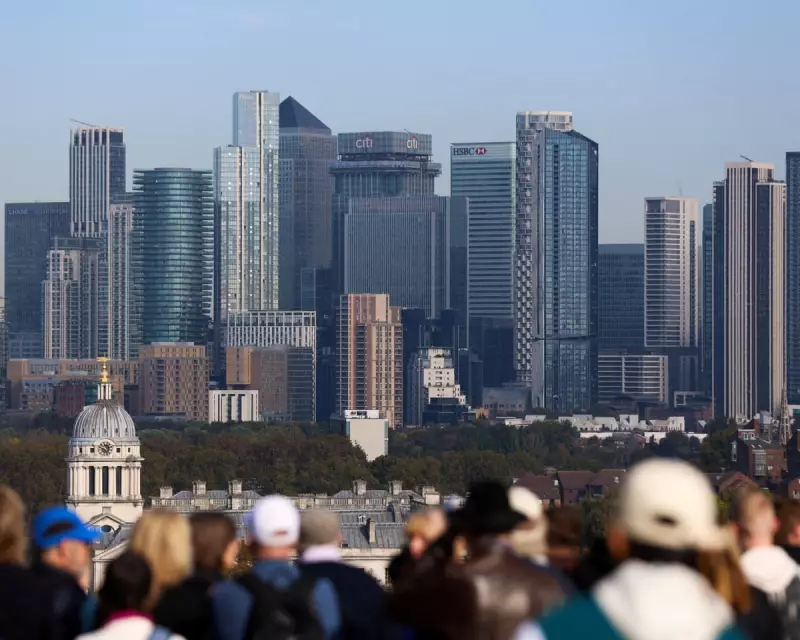
In a powerful demonstration of confidence in the UK's economic future, two American banking titans have unveiled substantial expansion plans within hours of the autumn budget. JP Morgan Chase has committed to a monumental new headquarters in London, while Goldman Sachs is significantly scaling up its operations in Birmingham.
A Landmark Commitment to London
JP Morgan has confirmed its intention to construct a new UK headquarters in London's Canary Wharf. The ambitious project involves building a towering 3 million square foot structure, which is projected to cost approximately £3 billion. This new base will become the professional home for more than half of the bank's substantial 23,000-strong UK workforce.
The design of the building has been entrusted to the renowned British architectural firm Foster + Partners, the same team behind JP Morgan's recently completed global headquarters at 270 Park Avenue in New York. The entire construction process is expected to take around six years to complete.
Goldman Sachs Boosts Its Regional Presence
Not to be outdone, the rival Wall Street institution Goldman Sachs announced a parallel expansion of its own. The bank revealed plans to grow its Birmingham office, with a commitment to hire 500 new staff members. This strategic move will more than double the bank's current workforce in the city.
A spokesperson for Goldman Sachs indicated that this expansion is part of a broader investment strategy focused on technology and artificial intelligence. "We are increasing our financing activities to critical parts of the economy where we see substantial opportunities to deploy capital, including in AI and digital infrastructure," the spokesperson stated, confirming that several billion pounds are ready to be committed to these sectors.
Budget Timing and Broader Economic Impact
The announcements came swiftly after Chancellor Rachel Reeves' first autumn budget, a statement in which the banking sector was spared from anticipated tax increases. The sector had lobbied extensively against a higher levy, arguing it could negatively impact lending and undermine pro-growth regulatory reforms.
Chancellor Reeves expressed her enthusiasm for JP Morgan's decision. "My budget doubles down on growth as our number one priority by creating the conditions for businesses to invest and succeed," she said. "I am thrilled that JP Morgan Chase has chosen London for its landmark new building – a multibillion-pound vote of confidence in the UK economy."
However, sources close to JP Morgan clarified that the bank had been working on the announcement for several months. They described the investment as a long-term strategic decision, not one directly tied to any single budget. The timing of the announcement was also influenced by the Thanksgiving holiday in the US, which provided a quieter period in the markets.
Jamie Dimon, JP Morgan’s chief executive and chair, emphasised the bank's lasting commitment. "London has been a trading and financial hub for more than a thousand years, and maintaining it as a vibrant place for finance and business is critical to the health of the UK economy," he said, noting that the government's focus on economic growth was a critical factor in the decision.
The overall economic benefit of the JP Morgan project is projected to be substantial. The bank estimates that the construction and subsequent business activity will inject nearly £10 billion into the UK economy, accounting for building costs, supplier contracts, and employment. This news follows JP Morgan's recent £350 million investment in its Bournemouth campus, painting a picture of significant and sustained investment in the UK.




