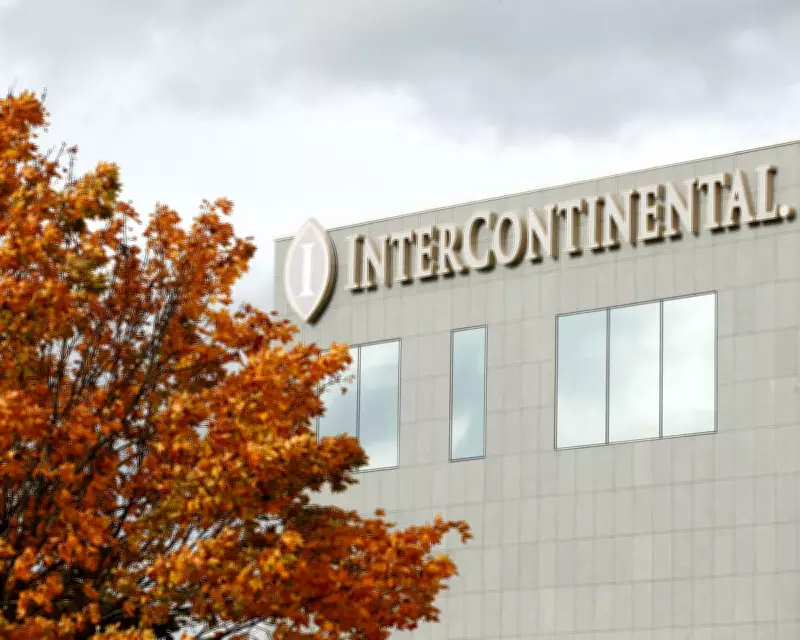
UK Competition Watchdog Launches Investigation Into Major Hotel Groups
The UK's Competition and Markets Authority (CMA) has initiated a formal investigation into three of the world's largest hotel chains: Hilton, Marriott, and InterContinental Hotels Group (IHG). The probe centers on allegations that these companies have engaged in data sharing practices that could potentially distort competition within the hospitality industry. This move underscores the CMA's growing focus on digital markets and the use of data in anti-competitive behavior.
Scope and Focus of the CMA Investigation
The investigation is examining whether the hotel groups shared sensitive commercial information, such as pricing strategies, occupancy rates, and customer data, in ways that might reduce competition. According to sources, the CMA is concerned that such practices could lead to coordinated pricing, limit consumer choice, and stifle innovation in the hotel sector. The watchdog has not yet disclosed specific details of the alleged data sharing, but it is believed to involve digital platforms and booking systems used by the companies.
This inquiry highlights the increasing scrutiny of data-driven markets by competition authorities worldwide. The CMA has previously warned that data sharing among competitors can harm consumers by leading to higher prices and reduced service quality. In recent years, the authority has stepped up its enforcement actions in sectors where digital data plays a critical role, from tech to retail.
Implications for the Hospitality Industry
If the CMA finds evidence of anti-competitive behavior, the hotel groups could face significant penalties, including fines and orders to change their business practices. The investigation could also prompt broader changes in how hotel companies handle data, potentially leading to stricter regulations on data sharing in the industry. This comes at a time when the hospitality sector is recovering from pandemic-related disruptions and facing increased competition from alternative accommodation providers like Airbnb.
The outcome of this probe may set a precedent for how competition law is applied to data sharing in other sectors, such as travel and tourism. It could influence future cases involving similar allegations against companies in digital markets. The CMA has emphasized that protecting competition is essential for ensuring fair prices and quality services for consumers, especially in industries dominated by a few large players.
Responses from the Hotel Groups
Hilton, Marriott, and IHG have all stated that they are cooperating fully with the CMA investigation. In public statements, the companies have denied any wrongdoing and emphasized their commitment to compliance with competition laws. Hilton mentioned that it takes its legal obligations seriously and is reviewing the allegations internally. Marriott highlighted its dedication to ethical business practices, while IHG noted that it is working closely with the CMA to address the concerns raised.
The investigation is expected to take several months, with the CMA likely to issue a preliminary report later this year. Stakeholders in the hospitality industry, including competitors and consumer groups, will be closely watching the developments, as the findings could reshape competitive dynamics in the UK hotel market. This case underscores the importance of transparency and fair play in an era where data is a key asset for businesses.