
Trump Launches $5bn Legal Battle Against Banking Giant JP Morgan
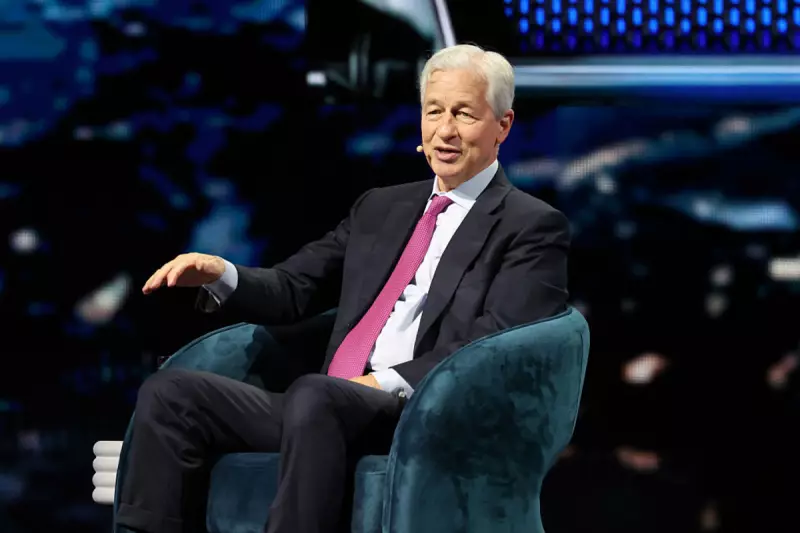
Former President Donald Trump has initiated a substantial $5bn (£3.7bn) lawsuit against financial behemoth JP Morgan and its chief executive, Jamie Dimon. The legal action centres on allegations that the banking institution deliberately terminated Trump's accounts for political motivations, a claim the bank firmly denies.
Allegations of Political Discrimination and Financial Harm
The lawsuit, filed in Florida's Miami-Dade County state court by Trump's personal attorney Alejandro Brito, asserts that the former president and his business enterprises endured significant financial and reputational damage when JP Morgan closed their accounts in 2021. This action followed the Capitol disturbances on January 6th, with Trump previously criticising America's largest bank for what he termed "incorrect and inappropriately" discriminatory practices against him.
A spokesperson for JP Morgan responded to the litigation, stating: "While we regret President Trump has sued us, we believe the suit has no merit." The bank emphasised its respect for the legal process while defending its position, clarifying that account closures occur due to legal or regulatory risks rather than political or religious considerations.
Broader Context: The Debanking Controversy
This high-profile case emerges against a backdrop of increasing scrutiny over financial exclusion practices. The United Kingdom has witnessed its own debanking controversy, notably involving Reform UK leader Nigel Farage and Coutts Bank, which ultimately led to the resignation of NatWest group chief Dame Alison Rose. These incidents highlight growing concerns about financial institutions potentially restricting services based on political exposure or affiliation.
The Trump-Dimon Rift: A History of Disagreement
The current legal confrontation follows a series of public disagreements between the former president and the influential banker. Dimon has previously defended Federal Reserve Chair Jerome Powell, cautioning against undermining the central bank's independence. Trump countered by suggesting Dimon advocated for higher interest rates to benefit financially.
During the World Economic Forum in Davos, Dimon addressed Trump's policies with measured criticism, describing many as "not binary" while cautiously endorsing unconventional measures like tariffs for national security purposes. However, he expressed strong opposition to Trump's proposed 10% credit card interest cap, warning it would create economic hardship for businesses and consumers alike.
This legal battle represents a significant escalation in tensions between political figures and financial institutions, raising important questions about the intersection of banking services, political expression, and regulatory compliance in contemporary financial systems.




