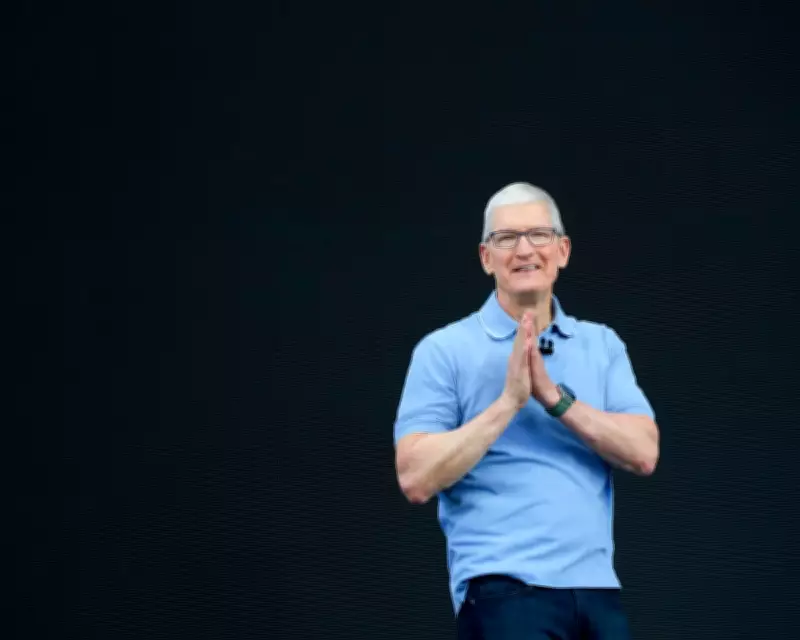
Tim Cook Transitions to Executive Chair as John Ternus Assumes Apple CEO Role
In a significant leadership shift, Apple has announced that Tim Cook will step down as chief executive officer, effective September 1, 2024. Cook, who has led the company since 2011 following the tenure of co-founder Steve Jobs, will not depart the tech giant entirely. Instead, he will assume the newly created position of executive chair, where his primary responsibilities will involve engaging with policymakers worldwide and managing Apple's foreign policy initiatives.
Cook's Legacy and Diplomatic Expertise
Tim Cook, aged 65, expressed his deep affection for Apple in a press release, stating, "I love Apple with all of my being." Throughout his tenure, Cook has been renowned for his operational prowess and supply chain management, overseeing the company's global expansion and the steady rollout of innovative devices. Although he never achieved the visionary status of Steve Jobs, Cook has carved out a reputation as a skilled corporate diplomat.
Over the past decade, Cook has navigated complex geopolitical landscapes, including the trade tensions between former U.S. President Donald Trump and Chinese leader Xi Jinping. He successfully secured exemptions from tariffs for the iPhone and managed to avoid lasting backlash from polarized political factions in the United States. Notably, Trump once humorously referred to him as "Tim Apple" during a public appearance in 2019.
Under Cook's leadership, Apple has strategically shifted a significant portion of its manufacturing from China to countries like Vietnam and India, a move that has not provoked retaliation from Beijing. This diplomatic finesse has allowed Apple to continue thriving in the Chinese market, attracting millions of new consumers and reporting record quarterly revenues in China as recently as January 2024.
John Ternus: The New CEO from Within
Succeeding Cook is John Ternus, a 50-year-old Apple veteran who joined the company in 2001. Currently serving as the head of hardware engineering, Ternus is described by the Wall Street Journal as "known for deft politicking inside the giant company." However, Apple's announcement suggests that Ternus may lack the extensive outward-facing experience required for managing the company's international relations, which is why Cook will remain in an executive capacity to handle these critical diplomatic duties.
Broader Tech Industry Context: AI Backlash and Surveillance Debates
This leadership transition occurs against a backdrop of escalating tensions in the tech industry, particularly surrounding artificial intelligence. Recent events, such as a Molotov cocktail attack on OpenAI CEO Sam Altman's home in San Francisco, highlight the growing backlash against AI's rapid integration into society. The assailant, Daniel Moreno-Gama, was arrested with an anti-AI manifesto, underscoring the violent manifestations of discontent with technological advancements.
Additionally, the United States Congress is embroiled in a protracted debate over warrantless surveillance laws, specifically Section 702 of the Foreign Intelligence Surveillance Act. After heated arguments and a late-night vote, lawmakers passed a temporary 10-day extension of the law, which allows intelligence agencies to monitor foreign communications without warrants, sometimes including interactions with U.S. citizens. This issue reflects ongoing concerns about privacy and state power in the digital age.
Implications for Apple and the Tech Sector
Cook's move to executive chair signals Apple's commitment to maintaining strong global relationships amid increasing regulatory scrutiny and geopolitical challenges. His diplomatic skills will be crucial as the company navigates issues like data privacy, trade policies, and environmental regulations. Meanwhile, Ternus's focus is expected to be on internal operations and hardware innovation, ensuring Apple's product pipeline remains robust.
The tech industry continues to face dual pressures: the promise of AI-driven productivity and the perils of public backlash. As data centers expand, consuming vast resources and becoming targets for protests and attacks, companies like Apple must balance innovation with social responsibility. Cook's new role positions him to advocate for policies that support technological growth while addressing public concerns.
In summary, Apple's leadership change marks a strategic evolution, with Tim Cook leveraging his diplomatic acumen to safeguard the company's global interests, while John Ternus steps up to drive internal excellence. This transition underscores the complex interplay between technology, politics, and public sentiment in today's fast-paced digital world.