
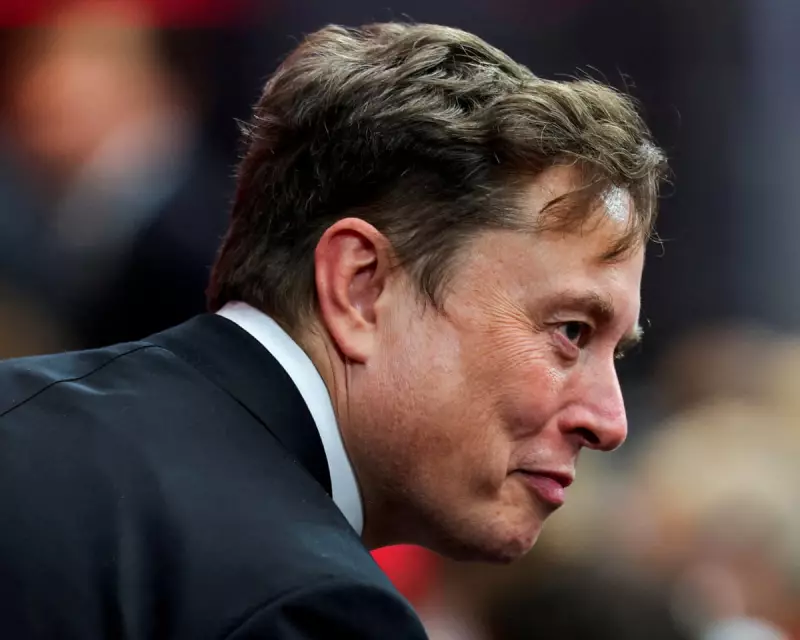
In a dramatic turn of events that has sent shockwaves through the corporate world, Tesla shareholders have decisively rejected a monumental $56 billion compensation package for chief executive Elon Musk. The vote represents one of the most significant shareholder rebellions in modern corporate history and deals a substantial blow to the billionaire's ambitions.
The Record-Breaking Compensation Package
The proposed pay deal, which was originally approved in 2018 but faced legal challenges, would have been the largest executive compensation package ever awarded in corporate history. The package was valued at approximately $56 billion and consisted entirely of stock options tied to Tesla achieving unprecedented market valuation and operational milestones.
Under the terms of the rejected agreement, Musk would have received 12 tranches of stock options if Tesla reached specific market capitalisation and operational targets. The electric vehicle manufacturer had already hit many of these ambitious goals, including achieving a $650 billion market capitalisation, which triggered the massive payout.
Legal Challenges and Shareholder Concerns
The compensation package faced significant legal hurdles even before the shareholder vote. Earlier this year, a Delaware judge voided the original 2018 agreement, describing it as "unfathomable" and ruling that Tesla's board had failed to prove the package was fair to shareholders.
Major institutional investors expressed serious concerns about the size of the package and its potential impact on Tesla's financial health. Several prominent pension funds and asset managers publicly announced they would vote against the deal, citing worries about excessive dilution of existing shares and questions about whether the compensation structure properly aligned with long-term shareholder interests.
Critics argued that the package would have transferred approximately 12% of Tesla's total shares to Musk, significantly reducing the ownership percentage of other investors. Supporters, however, maintained that the compensation was justified given Tesla's extraordinary performance under Musk's leadership and the ambitious nature of the targets set.
Implications for Tesla's Future
The rejection of Musk's pay package raises immediate questions about Tesla's corporate governance and leadership stability. Some analysts have speculated that Musk might reduce his involvement with Tesla if the compensation package wasn't approved, though the billionaire has made no public statements confirming such intentions.
The vote outcome also highlights growing shareholder activism around executive compensation, particularly in the technology sector where mega-packages have become increasingly common. The decision signals that even visionary leaders face scrutiny when compensation packages reach unprecedented levels.
Tesla's board now faces the challenge of developing a new compensation proposal that balances rewarding Musk's leadership while addressing shareholder concerns about dilution and governance. The company must also navigate the ongoing legal challenges surrounding executive pay while maintaining focus on its ambitious growth targets in the increasingly competitive electric vehicle market.
This landmark decision comes at a critical time for Tesla, as the company faces intensifying competition from both traditional automakers and new electric vehicle startups, while simultaneously expanding into new technology areas including artificial intelligence and autonomous driving systems.




