
The Scottish whisky industry is grappling with a significant oversupply as a combination of punitive US trade tariffs and shifting global consumption habits dampens demand for the iconic spirit.
Three-Year Decline and the Tariff Burden
According to data from the alcohol market analyst IWSR, global Scotch sales fell by 3% in the first half of 2025. This marks the third consecutive year of decline, a stark reversal after decades of sustained growth. A primary factor is the ongoing 10% tariff on UK whisky imports into the United States, its largest market. The Scotch Whisky Association (SWA) estimates this policy alone is costing the sector a staggering £4 million per week in lost sales.
Although Prime Minister Keir Starmer secured a broader trade deal with former President Donald Trump in May, the specific tariff on Scotch remains in place. This uncertainty, coupled with a broader societal trend of moderating alcohol intake, has created a challenging environment for distillers.
Industry Giants Scale Back Operations
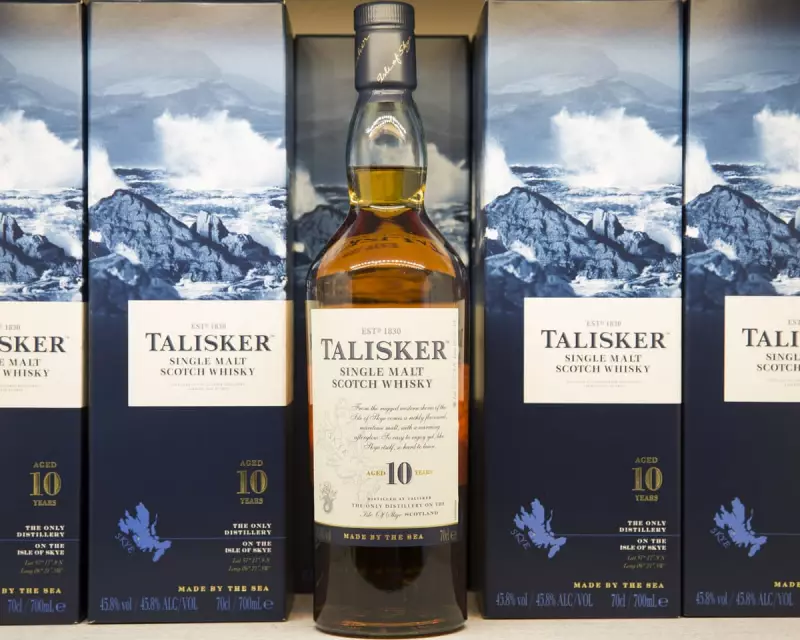
The market shake-up has forced major producers to adjust their output. Diageo, the FTSE 100 drinks giant behind brands like Johnnie Walker, Talisker, and Lagavulin, has confirmed it is reducing production at some of its malt distilleries to align capacity with current demand.
The company has implemented specific cutbacks, including:
- Reducing operations at some sites from seven days a week to five.
- Pausing production at the Teaninich Distillery in the Scottish Highlands.
- Halting production at its Roseisle Maltings site in north-east Scotland until at least June 2026, with future plans under review.
Furthermore, Diageo's proposed redevelopment of its famous Talisker distillery on the Isle of Skye is now uncertain. While a full planning application is with the local council, the company currently lacks definitive investment plans for the project.
A Diageo spokesperson stated the group remains "confident and committed to the long-term growth of Scotch whisky" but is now managing capacity following a period of heavy investment and stock accumulation.
Broader Market Trends and Adaptation
The impact in the US is particularly acute. IWSR figures show Scotch sales in the US fell 6% in the first nine months of 2025. While an improvement on the 9% drop seen in 2024, it is far below the 4% growth recorded in 2020. Luke Tegner of IWSR noted that affordability and changing drinking habits are also key drivers of the slump.
"Scotch has had a boom in the last 35 years," Tegner said. "But more recently it has been hit by tariffs, by affordability and by people moderating how much they drink." A Gallup poll from August found the share of American adults who consume alcohol is at a near 90-year low of 54%.
In response, some producers are investing in storage rather than production. International Beverage, owner of Old Pulteney, Speyburn and Balblair, spent £7 million this year on six new warehouses, adding space for 60,000 casks of maturing spirit.
The trend is not confined to Scotch. In Kentucky, the bourbon brand Jim Beam (owned by Suntory Group) will shut down production at its main site for the entirety of 2026. Despite the Scotch sector's struggles, the wider global whisky category proved more resilient, with volumes up 3% in the first half of the year.
Analysts like Tegner remain cautiously optimistic about the long term, forecasting a return to growth by the end of the decade, citing the industry's creativity in navigating past challenges.




