Primark Set for Independence from ABF Food Division
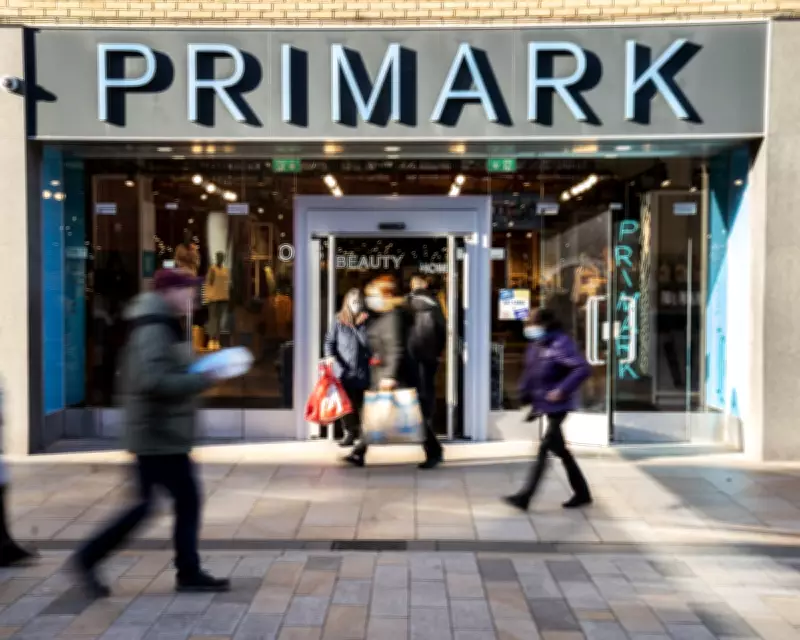
Associated British Foods (ABF) has confirmed plans to demerge its fast-fashion chain Primark from its food business, which includes well-known brands like Kingsmill, Twinings, and Patak's. This strategic move, first proposed last year, aims to maximize shareholder returns by creating two distinct FTSE 100 companies. Primark, with 486 stores across 19 countries, is projected to be valued at up to £9 billion, while the food arm could reach £4 billion, though these figures hinge on improved profit forecasts.
Financial Performance and Market Challenges
In its recent half-year report, ABF disclosed a 2% decline in group sales to £9.46 billion for the period ending 28 February, with pre-tax profits dropping by 9% to £632 million. The company attributed this downturn to underperformance in its sugar division, now expected to post an annual loss, and weak trading in the US grocery sector. Globally, Primark's like-for-like sales fell by 2.7%, reflecting a challenging clothing market. However, in the UK, underlying sales increased by 1.3% as the budget retailer expanded its market share, offset by a 5.6% decrease in mainland Europe due to weaker consumer confidence and less advanced online integration.
Impact of Middle East Conflict on Consumer Spending
ABF CEO George Weston highlighted the significant influence of the Middle East conflict on consumer behavior, noting that an initial uptick in spring/summer trading in March was followed by softer sales in April. He warned that prolonged hostilities could further depress consumer spending and drive inflation, particularly affecting Primark. While the food business currently benefits from pre-purchased energy and diesel, shielding it from immediate inflation, Weston cautioned that food price increases might emerge by autumn if the conflict persists, mirroring trends seen after the Ukraine war.
Demerger Details and Leadership Changes
The demerger, scheduled for completion by the end of 2027, will involve shareholders exchanging one ABF share for one share in each of the new entities. This process is estimated to cost £75 million, with an additional £45 million loss in synergies from the separation. George Weston will lead the food business post-demerger, while Eoin Tonge, a seasoned finance director with experience at ABF, Marks & Spencer, and Greencore, will continue as Primark's CEO. ABF Chair Michael McLintock emphasized that the split is designed to enhance long-term shareholder value by allowing each entity to focus on its core opportunities.
Regulatory Hurdles and Market Reaction
In related news, ABF's food division has agreed to acquire rival Hovis, pending approval from the UK's competition watchdog. To address competition concerns, ABF has offered to sell its Northern Irish bakery operations. Despite these strategic moves, ABF shares fell nearly 3% following the announcement, reflecting market uncertainties amid the broader economic challenges.