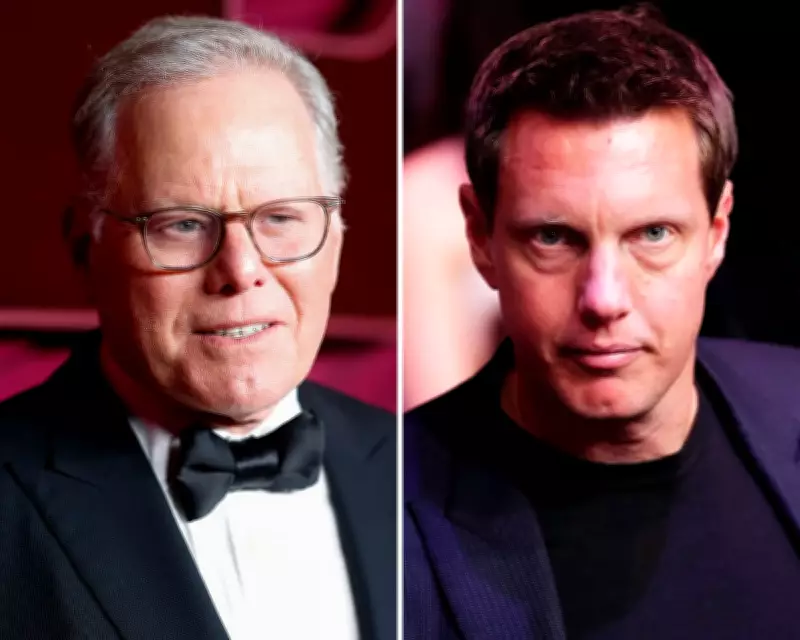
Paramount-Warner Bros $110 Billion Merger Faces Regulatory Roadblocks
Champagne reportedly flowed at Paramount Skydance headquarters late last week after the media conglomerate successfully edged out Netflix to acquire the entirety of Warner Bros Discovery for a staggering $110 billion. However, the celebratory mood may be premature as the mega-merger faces significant regulatory hurdles that could potentially derail the historic deal.
CEO Confidence Meets Regulatory Reality
During a Monday morning call with analysts and investors, Paramount Skydance's chief executive David Ellison expressed absolute confidence that the merger would swiftly pass regulatory scrutiny both in the United States and internationally. "We've been engaging with regulators around the world and the combination does not come close to hitting any of the metrics that would be problematic," Ellison asserted, projecting optimism about the deal's approval timeline.
Despite this corporate confidence, antitrust and competition experts paint a more complicated picture. The merger has already drawn outraged statements from numerous Democratic members of the US Senate, and while Congress lacks direct power to block the transaction, state attorneys general possess significant authority to challenge the consolidation through legal action.
State-Level Opposition Mounts
California Attorney General Rob Bonta has emerged as a vocal opponent, declaring on social media platform X that "Paramount/Warner Bros is not a done deal." Bonta confirmed that the California Department of Justice maintains an open investigation into the merger and intends to conduct a vigorous review. "These two Hollywood titans have not cleared regulatory scrutiny," Bonta emphasized in a formal statement following the deal's announcement.
Former Federal Trade Commission member Alvaro Bedoya, who served between 2022 and 2025, believes state attorneys general have a genuine opportunity to block the merger if they pool their resources effectively. "I definitely think they have a shot at stopping it if they pool their resources to make a challenge," Bedoya stated in a recent interview, highlighting the potential for coordinated legal action across multiple states.
Antitrust Concerns and Market Concentration
The proposed combination of HBO Max and Paramount+ streaming services raises significant competition concerns, potentially reducing marketplace diversity despite company assurances about maintaining separate Warner Bros and Paramount film studio operations. Bedoya elaborated on these concerns, noting that "there's an argument that this will create a very concentrated market for a very specific kind of movie studio that puts out a very particular kind of movie."
Bill Baer, former assistant attorney general in charge of the antitrust division of the US Department of Justice from 2013 to 2016, told media outlets that "a combined lawsuit by state attorneys general presents a real threat." While acknowledging that such challenges become more difficult if federal authorities approve the merger, Baer emphasized that "it's not impossible" for state-level opposition to succeed given the serious antitrust issues involved.
International Regulatory Landscape
The merger requires approval from regulatory authorities beyond US borders, including the European Commission and United Kingdom competition bodies. However, competition expert Cristina Caffarra expressed skepticism about significant international opposition, particularly from European regulators. "This deal is not particularly significant to anyone in Europe," Caffarra observed, noting the absence of European job losses that might galvanize opposition.
Caffarra further suggested that European regulators show little willingness to antagonize former President Donald Trump, who maintains strong support for the Ellison family and their business dealings. Regarding UK regulatory processes, Caffarra claimed the country's "competition authority has been decapitated" and currently prioritizes economic growth over competition regulation.
Labor Market and Industry Opposition
The combined company would carry approximately $79 billion in debt, necessitating significant cost-cutting measures that industry experts anticipate will include substantial employee layoffs. The Writers Guild of America has already issued a formal statement opposing the merger, declaring that it "must be blocked" because "the loss of competition would be a disaster for writers, consumers and the entire entertainment industry."
US Senators Elizabeth Warren and Richard Blumenthal echoed these concerns in a letter to Attorney General Pam Bondi, warning that "if Paramount Skydance's deal with Warner Bros. goes through, one family will become a dominant force in American entertainment." The senators listed numerous media properties that would fall under Ellison family control, including Warner Bros, Paramount+, HBO, CBS News, CNN, TNT, TBS, Food Network, Discovery Channel, Animal Planet, HGTV, and more.
Regulatory Process and Timeline Uncertainties
Although Paramount has already completed at least two information requests from the Department of Justice, and the mandatory 10-day waiting period under the Hart-Scott-Rodino Antitrust Improvements Act expired on February 19, regulatory challenges continue to loom. A Department of Justice spokesperson declined to comment on the status of the agency's review process, though Bloomberg News reported that the deal "remains under active review by US antitrust officials."
Bill Baer noted that while the Trump administration's Department of Justice appears inclined toward approval, authorities retain power to issue civil investigative demands and require additional information from both parties now that the deal has been finalized. "I think there is a substantial risk that the closing of the transaction is delayed," Baer cautioned, highlighting potential timeline uncertainties despite Ellison's commitment to "work incredibly collaboratively with regulators to ensure that we get a quick path to closing."
The merger represents one of the largest media consolidations in history, potentially reshaping the entertainment landscape while testing regulatory frameworks designed to maintain market competition and protect consumer interests across multiple jurisdictions.